Introduction to Physical Therapy Modalities for Pain Relief
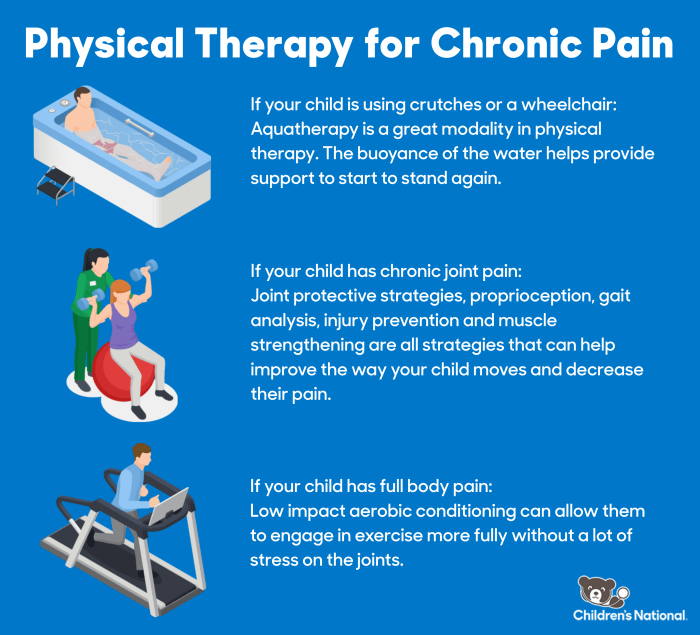
Physical therapy modalities refer to different treatment techniques and methods used by physical therapists to help manage and alleviate pain in patients. These modalities are designed to improve mobility, reduce discomfort, and enhance overall quality of life for individuals dealing with various types of pain.
Physical therapy plays a crucial role in pain management as it focuses on addressing the root cause of the pain rather than just masking the symptoms. By incorporating a combination of exercises, manual therapy, and modalities such as heat, cold, ultrasound, and electrical stimulation, physical therapists can help patients regain function and reduce their reliance on pain medications.
Unlike traditional pain relief methods such as medication or surgery, physical therapy modalities aim to improve the body’s natural healing process and promote long-term pain relief. By targeting specific areas of pain and dysfunction through personalized treatment plans, physical therapists can effectively address the underlying issues contributing to the patient’s discomfort.
Types of Physical Therapy Modalities
- Heat Therapy: Involves the application of heat to the affected area to increase blood flow, relax muscles, and reduce pain and stiffness.
- Cold Therapy: Uses cold packs or ice to decrease inflammation, numb the area, and alleviate acute pain.
- Ultrasound Therapy: Utilizes high-frequency sound waves to generate heat deep within the tissues, promoting healing and reducing pain.
- Electrical Stimulation: Involves the use of electrical currents to stimulate nerves, reduce muscle spasms, and improve circulation.
- Manual Therapy: Includes hands-on techniques such as massage, joint mobilization, and stretching to improve range of motion and alleviate pain.
Types of Physical Therapy Modalities
Physical therapy modalities are diverse techniques and tools used by physical therapists to help manage pain and promote healing in patients. Each modality offers unique benefits and can be tailored to address specific types of pain. Let’s explore some common physical therapy modalities and their effectiveness in managing different types of pain.
Heat Therapy
Heat therapy involves the application of heat to the affected area to increase blood flow, relax muscles, and reduce pain. It is particularly beneficial for muscle spasms, arthritis, and chronic pain conditions. Heat therapy can help improve flexibility and reduce stiffness in joints, making it a useful modality for conditions like osteoarthritis.
Cold Therapy
Cold therapy, also known as cryotherapy, uses cold temperatures to reduce inflammation, numb the area, and alleviate pain. It is often used for acute injuries, swelling, and post-operative pain. Cold therapy can help decrease muscle spasms and promote faster recovery after intense physical activity.
Electrical Stimulation
Electrical stimulation involves the use of electrical currents to stimulate nerves and muscles, helping to reduce pain and improve muscle function. It is commonly used for chronic pain conditions, nerve pain, and muscle weakness. Electrical stimulation can also help with muscle re-education and promoting circulation in injured areas.
Ultrasound Therapy
Ultrasound therapy uses high-frequency sound waves to generate heat within the body tissues, promoting healing and reducing pain. It is effective for conditions like tendonitis, bursitis, and muscle strains. Ultrasound therapy can help increase blood flow, break down scar tissue, and accelerate the healing process in soft tissue injuries.
TENS Therapy
Transcutaneous electrical nerve stimulation (TENS) therapy involves the use of a small device that delivers electrical impulses to the nerves through electrodes placed on the skin. TENS therapy can help block pain signals, increase endorphin production, and provide relief for chronic pain conditions like fibromyalgia and lower back pain.
Massage Therapy
Massage therapy involves hands-on manipulation of the soft tissues to improve circulation, reduce muscle tension, and alleviate pain. It is beneficial for various types of pain, including muscle soreness, tension headaches, and sports injuries. Massage therapy can help promote relaxation, reduce stress, and enhance overall well-being.
Integration of Physical Therapy with Wellness Programs
Physical therapy modalities play a crucial role in enhancing overall wellness outcomes when integrated into comprehensive wellness programs. By combining physical therapy with other wellness initiatives, individuals can experience synergistic benefits that promote healing, pain relief, and improved quality of life.
Synergies between Physical Therapy and Wellness Initiatives
Physical therapy can complement various wellness programs by addressing the physical aspect of health and well-being. For example, integrating modalities such as therapeutic exercises, manual therapy, and modalities like ultrasound or electrical stimulation can help individuals manage pain, improve mobility, and enhance overall function. These modalities can work hand in hand with other wellness practices such as nutrition counseling, stress management techniques, and mindfulness activities to create a holistic approach to health and wellness.
Examples of Successful Cases
- One successful case involves a patient with chronic back pain who participated in a wellness program that incorporated physical therapy modalities such as heat therapy, spinal manipulation, and personalized exercise routines. By combining these modalities with nutrition guidance and stress management techniques, the patient experienced significant pain relief, improved mobility, and enhanced overall well-being.
- Another example is a post-surgical patient who underwent physical therapy as part of a comprehensive wellness program that included modalities like cold therapy, therapeutic ultrasound, and strength training exercises. This integration of physical therapy with other wellness initiatives helped the patient recover faster, regain function, and prevent future injuries.
Role of Health Coaching in Physical Therapy: Physical Therapy Modalities For Pain Relief
Health coaching plays a vital role in enhancing the effectiveness of physical therapy for pain relief. By focusing on the overall well-being of the individual, health coaching complements the specific treatments provided by physical therapists.
Holistic Approach to Health Coaching
Physical therapy modalities for pain relief – A holistic approach to health coaching involves addressing not only the physical symptoms but also the mental, emotional, and social aspects of a person’s health. This comprehensive approach helps individuals achieve optimal wellness and pain management.
Success Stories of Health Coaching in Physical Therapy
- One success story involves a patient who was struggling with chronic pain and found significant relief through a combination of physical therapy modalities and health coaching. By addressing lifestyle factors and stress management techniques, the patient experienced a reduction in pain and improved quality of life.
- Another example is a case where health coaching helped a patient adhere to their physical therapy exercises more consistently. The guidance and motivation provided by the health coach resulted in better outcomes and faster recovery from injury.
Advancements in Medical Technology for Pain Management
Medical technology has made significant strides in recent years, offering innovative solutions for pain relief. These advancements have not only transformed the field of pain management but also revolutionized the way physical therapy is approached.
Virtual Reality Therapy
Virtual reality therapy is one of the most notable advancements in pain management technology. By immersing patients in virtual environments, this technology can distract them from their pain, making therapy sessions more tolerable and effective. Additionally, virtual reality therapy can help improve range of motion and functionality in patients with chronic pain conditions.
Exoskeleton Technology
Exoskeleton technology has also shown promise in aiding pain management. These wearable devices can assist patients in performing movements they may struggle with due to pain or limited mobility. By providing support and assistance, exoskeletons can help patients engage in physical therapy exercises with reduced discomfort and increased effectiveness.
Telehealth and Remote Monitoring
The rise of telehealth and remote monitoring technologies has allowed patients to access physical therapy services from the comfort of their homes. This not only eliminates the need for frequent in-person visits but also enables real-time monitoring of patient progress. Through virtual consultations and remote monitoring, healthcare providers can adjust treatment plans as needed, ensuring optimal pain management outcomes.
Robotics and AI Integration
The integration of robotics and artificial intelligence (AI) in physical therapy has opened up new possibilities for personalized pain management solutions. Robots can assist therapists in delivering targeted treatments, while AI algorithms can analyze patient data to tailor therapy programs to individual needs. This combination of technology and human expertise holds great potential for enhancing the effectiveness of physical therapy modalities.
Setting and Achieving Fitness Goals through Physical Therapy
Physical therapy plays a crucial role in helping individuals set and achieve their fitness goals. Whether it’s recovering from an injury or enhancing overall physical performance, physical therapists can tailor programs to meet specific objectives.
In rehabilitation after injuries, physical therapy is essential for regaining strength, flexibility, and mobility. By incorporating exercises, stretches, and other modalities, individuals can work towards their fitness goals in a safe and effective manner.
Tailored Physical Therapy Programs for Different Fitness Objectives
- For Strength Training: Physical therapists can design programs that focus on resistance exercises to build muscle strength and endurance.
- For Flexibility and Balance: Tailored programs may include stretches and balance exercises to improve flexibility and stability.
- For Cardiovascular Fitness: Aerobic exercises and activities may be incorporated to enhance heart health and endurance.
- For Injury Prevention: Physical therapy programs can include specific exercises to prevent injuries and promote overall wellness.
Importance of Balanced Nutrition in Pain Management
Balanced nutrition plays a crucial role in managing pain effectively and enhancing the outcomes of physical therapy. By understanding the correlation between nutrition and pain relief, individuals can optimize their overall well-being and recovery process.
Correlation between Balanced Nutrition and Pain Relief
Nutrition impacts inflammation levels, which can directly influence pain perception in the body. Consuming a diet rich in antioxidants, omega-3 fatty acids, and vitamins can help reduce inflammation and alleviate pain. Additionally, maintaining a healthy weight through proper nutrition can ease pressure on joints and muscles, leading to decreased pain levels.
Nutrition Complementing Physical Therapy Modalities, Physical therapy modalities for pain relief
When combined with physical therapy modalities, a balanced diet can enhance the effectiveness of treatment. Proper nutrition supports the repair and regeneration of tissues, aiding in the recovery process from injuries or chronic conditions. It also provides the necessary fuel for the body to perform exercises and activities prescribed during physical therapy sessions.
Guidelines for a Balanced Diet to Support Pain Management
- Include a variety of fruits and vegetables to ensure intake of essential vitamins and minerals.
- Incorporate lean protein sources such as poultry, fish, beans, and nuts to support muscle health and repair.
- Opt for whole grains like brown rice, quinoa, and whole wheat bread for sustained energy levels.
- Limit processed foods, sugary beverages, and foods high in saturated fats, as they can contribute to inflammation and worsen pain symptoms.
- Stay hydrated by drinking an adequate amount of water throughout the day to support overall bodily functions and reduce discomfort.
Enhancing Mental Strength through Physical Therapy
Physical therapy not only focuses on the physical aspects of pain relief but also plays a crucial role in enhancing mental strength. The connection between mental resilience and physical therapy is a powerful one, as the mind and body are intricately linked. By addressing both physical discomfort and mental well-being, individuals can achieve holistic healing and improved quality of life.
Strategies to Improve Mental Resilience
- Therapeutic Exercises: Physical therapy sessions often include exercises that not only target physical pain but also help individuals build mental resilience. These exercises can improve mood, reduce stress, and enhance overall mental well-being.
- Cognitive Behavioral Therapy (CBT): Some physical therapists incorporate CBT techniques to help patients develop coping mechanisms for pain management. CBT can help individuals change negative thought patterns and improve their mental outlook.
- Mindfulness and Relaxation Techniques: Physical therapy may involve teaching mindfulness and relaxation techniques to help individuals manage pain and reduce anxiety. These practices can promote mental clarity and emotional stability.
Success Stories of Mental Strength Development
One success story involves a patient who, through consistent physical therapy sessions focused on both physical and mental well-being, was able to overcome chronic pain and regain a positive outlook on life. By combining targeted exercises with mental resilience strategies, this individual experienced significant improvement in both pain levels and overall mental health.
Another inspiring example is of a patient who struggled with debilitating pain due to a past injury. Through a comprehensive physical therapy program that included mental resilience training, this individual not only managed pain more effectively but also developed a newfound sense of inner strength and resilience.
Incorporating Yoga Practice in Physical Therapy
Yoga is a practice that focuses on the connection between the mind, body, and spirit. When integrated with physical therapy, it can offer a holistic approach to pain relief and overall wellness.
Benefits of Integrating Yoga Practices with Physical Therapy
- Improved flexibility and mobility
- Stress reduction and relaxation
- Enhanced body awareness and mindfulness
- Strengthens muscles and promotes proper alignment
Specific Yoga Poses or Techniques for Pain Relief
- Child’s Pose (Balasana) for lower back pain
- Cat-Cow Stretch for spinal flexibility
- Pigeon Pose for hip opening and sciatic nerve relief
- Corpse Pose (Savasana) for relaxation and stress reduction
How Yoga Enhances the Effectiveness of Physical Therapy
Yoga helps individuals develop body awareness, improve breathing techniques, and enhance overall physical and mental well-being. By incorporating yoga practices into physical therapy sessions, patients can experience a more comprehensive approach to pain relief and rehabilitation.
Importance of Health Education in Physical Therapy
Health education plays a crucial role in empowering patients undergoing physical therapy by providing them with the knowledge and tools to actively participate in their recovery process.
Patients who are educated about self-care practices for pain management are better equipped to make informed decisions about their health and well-being. By understanding the importance of exercise, proper body mechanics, and lifestyle modifications, patients can take proactive steps to improve their overall quality of life.
Significance of Educating Patients on Self-Care Practices
- Empowers patients to actively participate in their recovery process
- Helps patients make informed decisions about their health and well-being
- Encourages proactive steps to improve overall quality of life
Examples of Educational Resources Supporting Physical Therapy Modalities
- Printed handouts with exercise instructions and tips
- Online videos demonstrating proper stretching techniques
- Workshops on stress management and relaxation techniques
Strategies for Weight Management in Pain Relief

Weight management plays a crucial role in pain relief, especially when combined with physical therapy. Excess weight can put added stress on joints and muscles, exacerbating pain conditions. By incorporating weight management strategies alongside physical therapy, individuals can experience improved outcomes and overall well-being.
The Relationship Between Weight Management and Pain Relief
- Excess weight can contribute to chronic pain conditions such as osteoarthritis, back pain, and joint pain.
- Losing weight can reduce the strain on joints and muscles, leading to decreased pain levels.
- Weight management can also improve overall mobility and functionality, enhancing the effectiveness of physical therapy interventions.
How Physical Therapy Modalities Can Aid in Weight Management Goals
- Physical therapy exercises can help individuals burn calories and build muscle, supporting weight loss efforts.
- Modalities such as hydrotherapy or aquatic therapy can provide a low-impact workout for individuals with weight-related limitations.
- Therapists can customize treatment plans to incorporate exercises that promote weight loss while addressing pain relief goals.
Tips for Incorporating Weight Management Strategies Alongside Physical Therapy
- Consult with a physical therapist and a nutritionist to develop a comprehensive plan that addresses both pain management and weight loss.
- Set realistic weight loss goals and track progress regularly to stay motivated and accountable.
- Focus on a balanced diet rich in nutrients to support overall health and weight management.
Benefits of Regular Health Checkups in Pain Management
Regular health checkups play a crucial role in monitoring progress and ensuring effective pain management during physical therapy. These checkups help in early detection of any potential issues that may arise, allowing for timely intervention and adjustments to the treatment plan. It is essential to schedule these checkups in alignment with physical therapy sessions to track improvements and make necessary modifications for better outcomes.
Importance of Monitoring Progress
Regular health checkups provide valuable insights into the effectiveness of the pain management plan and the overall progress of the patient. By monitoring key health indicators, such as pain levels, range of motion, and muscle strength, healthcare providers can assess the impact of physical therapy interventions and make informed decisions to optimize treatment.
Early Detection of Issues
Health checkups contribute to the early detection of any potential complications or setbacks in pain management. Through routine screenings and assessments, healthcare professionals can identify emerging issues, such as muscle imbalances, joint stiffness, or inflammation, before they escalate into more significant problems. This proactive approach enables prompt intervention and prevents delays in achieving pain relief goals.
Guidance on Scheduling Checkups
It is recommended to coordinate health checkups with physical therapy sessions to ensure continuity of care and comprehensive monitoring of progress. By establishing a regular schedule for checkups, patients can stay on track with their treatment plan and address any concerns or challenges promptly. Healthcare providers can use the information gathered during these checkups to adjust the therapy program, set new goals, and support the patient’s journey towards improved pain management and overall well-being.
Maintaining Skin Health while undergoing Physical Therapy
When undergoing physical therapy, it is essential to pay attention to your skin health to ensure overall well-being during treatment. Here are some tips on maintaining skin health and addressing potential skin issues that may arise during physical therapy.
Tips for Maintaining Skin Health
- Avoid wearing tight clothing that may rub against the skin and cause irritation.
- Keep the skin clean and dry to prevent infections, especially after sweating during therapy sessions.
- Use moisturizers to prevent dryness and cracking of the skin, especially in areas prone to friction.
- Choose loose and breathable fabrics to allow proper air circulation and reduce the risk of skin irritation.
Addressing Skin Issues during Physical Therapy
- If you notice any redness, irritation, or skin breakdown, inform your physical therapist immediately for proper assessment and guidance.
- Avoid applying any creams or lotions to the affected area without consulting a healthcare professional to prevent worsening of the condition.
- Follow proper wound care instructions provided by your healthcare team to promote healing and prevent infection.
Skincare Routines to Support Overall Well-being
- Establish a daily skincare routine that includes gentle cleansing, moisturizing, and protection from the sun to maintain skin health.
- Stay hydrated by drinking an adequate amount of water to keep the skin hydrated and promote healing.
- Eat a balanced diet rich in nutrients to support skin health and overall well-being during physical therapy.
Addressing Emotional Health in Pain Relief
Emotional health plays a crucial role in the effectiveness of physical therapy for pain relief. Patients’ mental well-being can impact their physical recovery and overall pain management. Addressing emotional health is essential for a holistic approach to healing.
Impact of Emotional Health on Physical Therapy
Emotional health can greatly influence the outcome of physical therapy for pain relief. Stress, anxiety, depression, and other emotional factors can exacerbate pain symptoms and hinder progress in therapy. It is vital to address these emotional aspects to optimize the benefits of physical therapy.
Strategies for Addressing Emotional Well-being
– Incorporating relaxation techniques such as deep breathing exercises, mindfulness, and guided imagery can help patients manage stress and anxiety during therapy sessions.
– Encouraging open communication between the patient and the therapist fosters a supportive environment where emotional concerns can be addressed.
– Providing mental health resources such as counseling or support groups can offer additional support for patients dealing with emotional challenges.
– Implementing holistic approaches like music therapy, art therapy, or aromatherapy can enhance emotional well-being and create a positive therapeutic experience.
Creating a Supportive Emotional Environment
Creating a supportive emotional environment during therapy sessions is essential for patients’ well-being and treatment outcomes. Therapists can:
– Show empathy and compassion towards patients, acknowledging their emotional struggles and providing a safe space for expression.
– Foster a collaborative relationship with patients, involving them in decision-making and goal-setting to empower their healing process.
– Celebrate small victories and progress milestones to boost patients’ morale and motivation throughout the therapy journey.
– Maintain a positive and uplifting atmosphere in the treatment setting, incorporating elements of positivity and encouragement to uplift patients’ spirits.
Cultivating Health Motivation through Physical Therapy
Physical therapy plays a crucial role in not only managing pain but also in cultivating motivation for individuals to improve their overall health and well-being. Through personalized treatment plans and supportive guidance, physical therapy can inspire patients to take control of their health journey.
Utilizing Goal Setting in Physical Therapy
Setting achievable fitness goals is a common technique used in physical therapy to motivate patients. By establishing realistic milestones and tracking progress, individuals are encouraged to stay committed to their treatment plan. This sense of accomplishment can boost motivation and empower patients to continue their journey towards better health.
Positive Reinforcement and Encouragement
Physical therapists often provide positive reinforcement and encouragement during sessions to motivate patients. By recognizing and celebrating small victories, patients feel supported and inspired to push themselves further. This positive feedback can instill a sense of confidence and determination in individuals, driving them to stay dedicated to their rehabilitation process.
Sharing Success Stories
Sharing success stories of individuals who have overcome challenges through physical therapy can be a powerful motivator. Hearing how others have achieved their health goals and improved their quality of life can inspire patients to stay committed to their own treatment. These real-life examples serve as proof that with dedication and hard work, positive outcomes are possible, fueling motivation in those undergoing physical therapy.
Promoting Physical Activities in conjunction with Physical Therapy
Regular physical activity plays a crucial role in enhancing the effectiveness of physical therapy modalities for pain relief. By incorporating suitable physical activities alongside specific treatments, individuals can experience improved outcomes and better overall well-being.
Benefits of Physical Activity in Pain Relief
- Increased flexibility and range of motion: Engaging in physical activities like stretching exercises or yoga can help loosen tight muscles and improve joint mobility, reducing pain and stiffness.
- Enhanced strength and endurance: Activities such as resistance training or aerobic exercises can build muscle strength and endurance, supporting the body in coping with pain and preventing future injuries.
- Improved circulation and blood flow: Cardiovascular exercises like walking or swimming can boost circulation, delivering essential nutrients and oxygen to tissues, promoting healing and reducing inflammation.
- Stress reduction and mood elevation: Physical activity releases endorphins, the body’s natural painkillers, and promotes a positive mindset, reducing stress and anxiety commonly associated with chronic pain.
Examples of Suitable Physical Activities
- For back pain: Core strengthening exercises, such as planks or bridges, can stabilize the spine and alleviate discomfort.
- For knee pain: Low-impact activities like cycling or water aerobics can improve joint function and reduce pain in the knees.
- For neck pain: Neck stretches and gentle yoga poses can help relieve tension and improve neck mobility.
- For overall pain management: Walking, swimming, or tai chi are excellent low-impact options that promote overall fitness and well-being while supporting pain relief.
Spreading Health Awareness through Physical Therapy
Physical therapy plays a crucial role in spreading health awareness by educating individuals on effective pain management strategies and overall wellness. Through various programs and initiatives, physical therapists can empower communities to take preventive measures and prioritize their health.
Educational Initiatives in Physical Therapy
- Organizing workshops and seminars to educate the public on the importance of proper body mechanics and posture to prevent injuries and reduce pain.
- Collaborating with schools and workplaces to provide ergonomic assessments and recommendations for creating healthy environments that promote musculoskeletal health.
- Creating informative materials such as brochures, videos, and online resources to raise awareness about the benefits of physical therapy in managing chronic conditions and enhancing overall quality of life.
Community Outreach Programs
- Partnering with local organizations and health centers to offer free health screenings and consultations, highlighting the role of physical therapy in pain relief and injury prevention.
- Participating in health fairs and wellness events to engage with the community, demonstrate therapeutic exercises, and provide personalized recommendations for improving physical well-being.
- Collaborating with fitness centers and sports clubs to promote the importance of injury prevention, proper warm-up techniques, and recovery strategies through physical therapy interventions.
Leveraging Preventive Medicine in Physical Therapy Practices
Physical therapy practices can greatly benefit from integrating preventive medicine principles to achieve long-term pain relief and overall wellness for patients. By focusing on early intervention and implementing preventive measures, physical therapists can help individuals address underlying issues before they escalate, leading to better outcomes and improved quality of life.
Examples of Preventive Medicine Strategies in Physical Therapy
- Education on proper posture and body mechanics to prevent musculoskeletal injuries
- Implementing strength and flexibility exercises to reduce the risk of future injuries
- Promoting regular physical activity to maintain overall health and prevent chronic conditions
- Providing nutritional guidance to support recovery and reduce inflammation
Implementing Nutritional Counseling alongside Physical Therapy
Nutritional counseling plays a crucial role in enhancing the outcomes of physical therapy for pain relief. By combining personalized nutritional plans with physical therapy, patients can experience improved healing, reduced inflammation, and better overall well-being.
Benefits of Nutritional Counseling in Conjunction with Physical Therapy
- Optimizes healing process: A balanced diet can provide essential nutrients for tissue repair and recovery, speeding up the healing process.
- Reduces inflammation: Certain foods can help decrease inflammation in the body, complementing the effects of physical therapy.
- Enhances energy levels: Proper nutrition can boost energy levels, allowing patients to engage more effectively in their physical therapy sessions.
Role of Nutritionists in Supporting Patients Undergoing Physical Therapy
Nutritionists collaborate with physical therapists to design individualized meal plans that align with the patient’s treatment goals. They provide guidance on dietary choices, supplementation, and lifestyle modifications to optimize the therapeutic process.
Personalized Nutritional Plans Enhancing the Effectiveness of Physical Therapy
By tailoring nutritional plans to meet the specific needs of each patient, the integration of nutrition with physical therapy can significantly improve outcomes. Personalized diets can address deficiencies, support weight management, and promote overall wellness, enhancing the benefits of physical therapy interventions.
Nurturing a Healthy Mind through Physical Therapy
In the realm of pain management through physical therapy, nurturing a healthy mind plays a crucial role in enhancing overall well-being and treatment outcomes. By focusing on mental health alongside physical rehabilitation, individuals can experience a holistic approach to healing that addresses both the body and the mind.
When it comes to successful pain management with physical therapy, a healthy mind can significantly contribute to the overall effectiveness of treatment. The mind-body connection is a well-established concept in healthcare, highlighting the impact of mental well-being on physical health. By nurturing a positive mindset, individuals can cope better with pain, reduce stress levels, and improve their overall quality of life.
Mindfulness Techniques in Physical Therapy
- Integrating mindfulness practices such as deep breathing, meditation, and visualization exercises into physical therapy sessions can help individuals manage pain more effectively.
- By cultivating awareness of the present moment and promoting relaxation, mindfulness techniques can reduce anxiety, enhance focus, and improve pain tolerance.
Benefits of Nurturing a Healthy Mind during Therapy
- Individuals who focus on nurturing a healthy mind during their therapy journey often report lower levels of pain, increased motivation, and a more positive outlook on their recovery process.
- By incorporating mental health strategies into physical therapy, patients can build resilience, improve emotional well-being, and experience a sense of empowerment in managing their pain.
Answers to Common Questions
How do physical therapy modalities differ from traditional pain relief methods?
Physical therapy modalities focus on addressing the root cause of pain through targeted exercises and techniques, while traditional methods often rely on medication for temporary relief.
Can physical therapy help in achieving fitness goals?
Absolutely, physical therapy plays a crucial role in helping individuals set and achieve fitness goals by providing tailored programs and rehabilitation after injuries.
What role does nutrition play in complementing physical therapy modalities?
Nutrition plays a significant role in supporting pain management through physical therapy by providing the necessary nutrients for recovery and overall well-being.


More Stories
Nutritional counseling and weight loss surgery: Maximizing Success Through Comprehensive Support
Blood tests included in health checkups: Comprehensive Guide
Weight management and genetic factors: Understanding the link for a healthier you