Fitness Goals for Body Recomposition
Fitness goals for body recomposition – Body recomposition in fitness involves simultaneously reducing body fat and increasing muscle mass to achieve a leaner and more defined physique.
Examples of Fitness Goals for Body Recomposition
- Decrease body fat percentage by 5% in 3 months.
- Increase muscle mass by 2 pounds while maintaining current body fat levels.
- Achieve a more toned appearance by strengthening and defining specific muscle groups.
Importance of Setting Realistic and Measurable Goals
Setting realistic and measurable goals is crucial for body recomposition as it provides a clear direction and motivation for progress. It helps in tracking changes effectively and adjusting strategies if needed.
Strategies to Track Progress towards Body Recomposition Goals
- Regularly measuring body fat percentage and muscle mass using calipers or bioelectrical impedance devices.
- Keeping a workout journal to track strength gains and improvements in performance.
- Taking progress photos to visually see changes in body composition over time.
- Monitoring dietary intake and ensuring it aligns with fitness goals for optimal results.
Healthy Snacks
When it comes to supporting fitness and body recomposition goals, choosing nutritious snacks is key. These snacks not only provide essential nutrients but also help maintain energy levels during workouts and throughout the day.
Nutritious Snack Options
- Almonds: Packed with protein and healthy fats, almonds make for a satisfying and energy-boosting snack.
- Greek yogurt with berries: This combination offers a good source of protein, vitamins, and antioxidants.
- Rice cakes with avocado: A great balance of carbohydrates, healthy fats, and fiber to keep you feeling full and fueled.
Role of Healthy Snacks in Workouts
Healthy snacks play a crucial role in maintaining energy levels during workouts by providing a steady source of fuel for your muscles. Choosing snacks that are balanced in macronutrients can help improve performance and recovery.
Homemade Healthy Snack Recipes
- Homemade trail mix: Combine nuts, seeds, and dried fruits for a customizable and nutritious snack on the go.
- Baked sweet potato chips: Slice sweet potatoes thinly, season with herbs, and bake for a crispy and healthy alternative to store-bought chips.
- Energy balls: Blend dates, nuts, and oats for a quick and easy snack packed with energy-sustaining nutrients.
Tips to Avoid Unhealthy Snacking Habits
- Plan ahead: Prepare healthy snacks in advance to avoid reaching for less nutritious options when hunger strikes.
- Stay hydrated: Sometimes thirst can be mistaken for hunger, so drink water throughout the day to stay hydrated and prevent unnecessary snacking.
- Listen to your body: Pay attention to hunger cues and choose snacks that truly satisfy your cravings and provide nourishment.
Wellness Programs
Wellness programs encompass a variety of initiatives aimed at improving overall health and well-being by addressing physical, mental, and emotional aspects of wellness.
Components of a Comprehensive Wellness Program
- Regular exercise routines tailored to individual fitness levels and goals
- Nutritional guidance and meal planning to support healthy eating habits
- Stress management techniques such as meditation, yoga, or mindfulness practices
- Access to mental health resources and counseling services
- Health screenings and assessments to monitor progress and identify areas for improvement
Benefits of Participating in Wellness Programs
- Improved physical fitness and strength
- Enhanced mental well-being and reduced stress levels
- Better overall health outcomes and reduced risk of chronic diseases
- Increased energy levels and productivity in daily life
- Opportunities for social connection and support from like-minded individuals
Success Stories of Individuals Benefiting from Wellness Programs
“After joining a wellness program focused on nutrition and exercise, I have lost weight, gained muscle, and feel more confident in my own skin.” – Sarah
Tips on Choosing the Right Wellness Program
- Assess your personal goals and needs to find a program that aligns with your objectives
- Research different programs and their offerings to determine the best fit for you
- Consider the expertise of the program instructors and ensure they are qualified to provide guidance
- Look for programs that offer a supportive community and resources to keep you motivated
Physical Therapy
Physical therapy plays a crucial role in supporting fitness goals and body recomposition by helping individuals recover from injuries, improve flexibility, and strengthen muscles. It can also address imbalances and correct movement patterns to prevent future injuries.
Benefits of Physical Therapy
- Physical therapy can be beneficial for common injuries such as sprains, strains, and muscle imbalances.
- It can help individuals with conditions like arthritis, back pain, and postural issues improve their overall physical function.
- Physical therapists can provide personalized exercise programs to target specific areas of weakness or tightness.
Recommended Exercises and Stretches
- Quad Stretch: Stand on one leg and bend the other leg, bringing your heel towards your glutes. Hold onto a wall or chair for balance.
- Thoracic Extension: Sit on the floor with a foam roller behind your mid-back. Lean back over the roller, extending your spine.
- Glute Bridge: Lie on your back with knees bent and feet flat on the floor. Lift your hips towards the ceiling, squeezing your glutes at the top.
When to Seek Professional Help
- If you experience persistent pain that does not improve with rest or home remedies, it may be time to consult a physical therapist.
- If you have recently suffered an injury or have difficulty performing daily activities due to pain or limited mobility, seeking help from a physical therapist is recommended.
- Professional guidance is essential for a safe and effective recovery process, especially when dealing with chronic conditions or complex injuries.
Health Coaching
Health coaching plays a crucial role in helping individuals achieve their fitness goals by providing personalized guidance, motivation, and accountability throughout their wellness journey.
Benefits of Working with a Health Coach
- Personalized Support: Health coaches tailor their guidance to each individual’s unique needs, making the journey more effective and sustainable.
- Motivation and Accountability: Regular check-ins and support from a health coach help individuals stay motivated and accountable towards their goals.
- Education and Empowerment: Health coaches educate individuals on healthy habits, empowering them to make informed choices for long-term success.
How to Find a Qualified Health Coach
- Check Credentials: Look for certifications from reputable organizations such as the National Board for Health and Wellness Coaching.
- Experience and Specialization: Consider a health coach’s experience and expertise in areas relevant to your fitness goals.
- Client Testimonials: Read reviews and testimonials from previous clients to gauge the effectiveness of the health coach.
Customized Health Coaching Plans
Health coaches create personalized plans based on individual goals. Here are some examples:
For Weight Loss: A health coach may focus on creating a calorie deficit through diet and exercise, while providing emotional support and accountability.
For Muscle Gain: A health coach may design a strength training program paired with a nutrition plan to optimize muscle growth and recovery.
For Stress Management: A health coach may incorporate mindfulness techniques, stress-reducing activities, and lifestyle changes to improve overall well-being.
Medical Advancements
Recent medical advancements have revolutionized the way we approach fitness and body recomposition. These breakthroughs have paved the way for innovative solutions and treatments that can significantly impact our health and wellness journey.
Impact of Technological Innovations
Technological innovations in the medical field have brought about cutting-edge tools and devices that allow for more precise monitoring and analysis of our bodies. From wearable fitness trackers to advanced imaging techniques, technology has enabled us to track our progress and make informed decisions about our health.
Examples of Medical Breakthroughs
- Gene editing technologies like CRISPR have the potential to alter our genetic makeup and influence how our bodies respond to exercise and nutrition.
- Advancements in regenerative medicine, such as stem cell therapy, offer new possibilities for tissue repair and recovery, enhancing our ability to recover from injuries and build muscle more effectively.
- Personalized medicine approaches based on genetic testing can provide tailored recommendations for diet, exercise, and supplementation, optimizing our fitness goals based on our unique genetic profiles.
Leveraging Medical Advancements
- Consult with healthcare professionals who are knowledgeable about the latest medical advancements to incorporate evidence-based strategies into your fitness journey.
- Stay informed about emerging technologies and treatments that could benefit your health and fitness goals, and be open to exploring new opportunities for improvement.
- Take advantage of diagnostic tools and medical assessments to gain insights into your body composition, metabolic health, and overall well-being, allowing you to make informed decisions about your fitness routine.
Balanced Nutrition
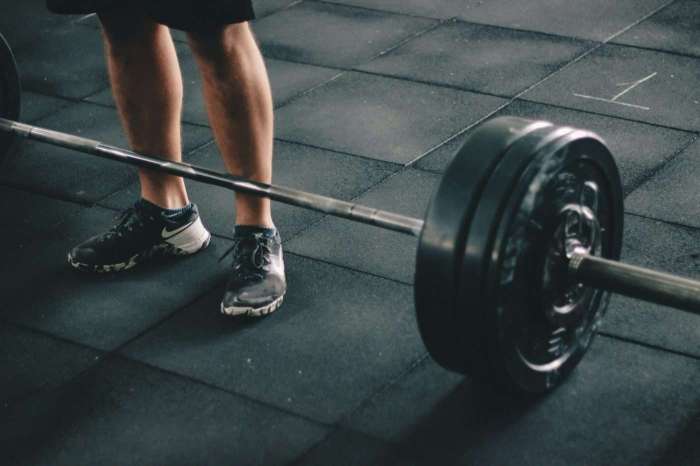
Maintaining a balanced nutrition plan is crucial when it comes to achieving your fitness goals and body recomposition. The food you consume plays a significant role in supporting muscle gain, fat loss, and overall health.
Role of Macronutrients and Micronutrients
- Macronutrients, such as carbohydrates, proteins, and fats, provide the body with energy and are essential for muscle repair and growth.
- Micronutrients, including vitamins and minerals, are necessary for various bodily functions and overall well-being.
- Proper balance of macronutrients and micronutrients ensures optimal performance during workouts and aids in recovery post-exercise.
Creating a Well-Rounded Meal Plan
- Start by setting your calorie and macronutrient targets based on your fitness goals.
- Incorporate a variety of nutrient-dense foods such as lean proteins, whole grains, fruits, vegetables, and healthy fats.
- Plan your meals ahead of time to avoid impulsive eating decisions and ensure you meet your nutritional needs.
- Stay hydrated and consider portion control to maintain a balanced intake of nutrients throughout the day.
Nutrient-Dense Foods for Health and Wellness
- Leafy greens like spinach and kale are rich in vitamins A, C, and K, as well as minerals like iron and calcium.
- Salmon is an excellent source of omega-3 fatty acids, protein, and vitamin D, promoting heart health and muscle recovery.
- Greek yogurt provides probiotics for gut health, protein for muscle repair, and calcium for bone strength.
- Quinoa is a complete protein containing all essential amino acids, along with fiber, magnesium, and antioxidants.
Mental Strength
Mental strength plays a crucial role in achieving fitness goals as it helps individuals overcome challenges and stay motivated throughout their journey. It involves the ability to persevere, maintain focus, and push through difficult times.
Strategies for Improving Mental Resilience
- Practice positive self-talk to boost confidence and motivation.
- Set realistic goals and celebrate small victories along the way.
- Utilize visualization techniques to envision success and stay motivated.
- Engage in mindfulness activities such as meditation or deep breathing exercises to reduce stress and enhance mental clarity.
Mental Exercises for Enhanced Focus
- Try incorporating daily affirmations to reinforce a positive mindset.
- Challenge negative thoughts and replace them with empowering beliefs.
- Engage in goal-setting exercises to clarify objectives and boost motivation.
Connection Between Mental Well-being and Physical Performance
Research has shown that mental well-being significantly impacts physical performance. Individuals with a positive mindset are more likely to push themselves harder during workouts, recover faster from injuries, and make healthier lifestyle choices overall. By prioritizing mental health, individuals can optimize their physical performance and achieve their fitness goals more effectively.
Yoga Practice
Yoga is a great addition to any fitness routine as it not only helps improve flexibility and reduce stress but also complements body recomposition goals by promoting muscle strength and mobility.
Incorporating yoga into your workout routine can have numerous benefits, including increased range of motion, enhanced muscle recovery, improved posture, and reduced risk of injury. It can also help in mental relaxation and mindfulness, which are essential for overall well-being.
Beginner-Friendly Yoga Poses
- Mountain Pose (Tadasana) – This pose helps improve posture and strengthens the thighs, knees, and ankles.
- Downward-Facing Dog (Adho Mukha Svanasana) – A great pose to stretch the hamstrings, calves, and shoulders while building upper body strength.
- Warrior II (Virabhadrasana II) – This pose targets the legs, groin, and chest, promoting strength and stability.
- Cat-Cow Stretch (Marjaryasana-Bitilasana) – A gentle flow between these poses helps warm up the spine and improve flexibility.
Finding the Right Yoga Style
When choosing a yoga style, it’s important to consider your preferences, fitness goals, and level of experience. Some popular styles include Hatha, Vinyasa, Yin, and Bikram yoga. Experiment with different styles to find the one that resonates with you and supports your fitness journey.
Health Education

Health education plays a crucial role in empowering individuals to make informed decisions about their well-being. By providing knowledge and resources on fitness, nutrition, and overall health, people can take control of their lifestyles and improve their quality of life. Let’s explore the importance of health education further.
Importance of Health Education
- Health education equips individuals with the necessary information to make healthy choices and adopt positive behaviors.
- It helps in raising awareness about common health issues, preventive measures, and the importance of regular physical activity.
- By promoting health literacy, individuals can better understand their bodies, make informed decisions, and communicate effectively with healthcare providers.
Resources for Learning
- Online platforms such as reputable health websites, podcasts, and social media channels provide a wealth of information on fitness, nutrition, and wellness.
- Local community centers, gyms, and healthcare facilities often offer workshops, seminars, and classes on various health topics.
- Books, magazines, and documentaries focused on health and well-being are valuable resources for learning and staying informed.
Educational Programs and Initiatives
- Corporate wellness programs that educate employees on healthy habits, stress management, and disease prevention contribute to a healthier workforce.
- School-based health education curriculums teach students about nutrition, physical activity, and mental health from a young age.
- Community health fairs, campaigns, and initiatives aim to educate the public on important health issues and provide access to screenings and resources.
Impact on Long-Term Wellness
- Health education has a lasting impact on individuals’ overall well-being by promoting healthy habits and disease prevention strategies.
- Empowered individuals are more likely to engage in regular exercise, maintain a balanced diet, and seek timely medical care when needed.
- By investing in health education, communities can reduce healthcare costs, improve quality of life, and prevent chronic diseases in the long run.
Weight Management
Maintaining a healthy weight is crucial for achieving your fitness goals and body recomposition. It involves a combination of calorie balance, exercise, and understanding your metabolism. Here are some strategies to help you manage your weight effectively:
Setting Realistic Weight Targets
- Set achievable goals: Aim for a gradual weight loss or gain of 1-2 pounds per week to ensure sustainable results.
- Consider your body composition: Focus on building muscle and losing fat rather than just monitoring the number on the scale.
- Track your progress: Keep a food diary, monitor your workouts, and regularly assess your body measurements to stay on track.
Maintaining a Healthy Weight
- Balance your macronutrients: Ensure you are getting enough protein, carbohydrates, and healthy fats to support your fitness goals.
- Stay hydrated: Drink plenty of water to aid digestion, support metabolism, and help control hunger.
- Get enough sleep: Aim for 7-9 hours of quality sleep each night to support recovery and regulate hormones that affect weight management.
Health Checkups
Regular health checkups play a crucial role in monitoring fitness progress and overall well-being. By keeping track of key health indicators and undergoing preventive health screenings, individuals can detect potential health issues early on, ensuring they stay on track with their fitness goals.
Importance of Regular Health Checkups
- Regular health checkups help in monitoring progress towards fitness goals and identifying any underlying health issues.
- They provide an opportunity to assess key health indicators such as blood pressure, cholesterol levels, and body composition.
- Early detection of health problems can lead to timely interventions, preventing serious complications.
Key Health Indicators to Track
- Body mass index (BMI)
- Blood pressure
- Blood sugar levels
- Cholesterol levels
Frequency of Health Checkups
- For individuals with specific fitness goals, it is recommended to schedule health checkups at least once a year.
- Those with pre-existing health conditions or high-risk factors may need more frequent checkups as advised by their healthcare provider.
Preventive Health Screenings
- Annual physical exams
- Blood tests for cholesterol and glucose levels
- Mammograms for women
- Colonoscopies for individuals over 50 years old
Skin Health
Skin health is an essential aspect of overall well-being, and it is closely connected to fitness goals. When engaging in regular workouts or physical activities, the skin can be subjected to sweat, dirt, and other external factors that may affect its health. Proper skincare routines and habits are crucial in maintaining healthy skin, especially for individuals with active lifestyles.
Skincare Tips for Active Individuals
- Avoid wearing makeup during workouts to prevent clogged pores and breakouts.
- Cleanse the skin thoroughly after exercising to remove sweat and bacteria.
- Use a gentle exfoliator to unclog pores and prevent acne caused by sweat buildup.
- Moisturize regularly to keep the skin hydrated and prevent dryness or irritation.
- Apply sunscreen before outdoor activities to protect the skin from harmful UV rays.
Impact of Nutrition and Hydration on Skin Health
- Consuming a balanced diet rich in vitamins, minerals, and antioxidants can promote healthy skin.
- Drinking an adequate amount of water helps in maintaining skin hydration and elasticity.
- Avoiding excessive consumption of sugary and processed foods can prevent skin inflammation and breakouts.
Benefits of Post-Workout Skincare Routines
- Removing sweat and dirt promptly can prevent clogged pores and acne breakouts.
- Hydrating the skin after workouts helps in replenishing moisture lost during exercise.
- Using skincare products with calming ingredients can reduce redness and inflammation caused by physical activity.
Emotional Health
Emotional health plays a crucial role in the overall well-being of an individual, especially when it comes to achieving fitness goals. The mind-body connection is strong, and emotional well-being can impact physical health in various ways.
Managing Stress and Anxiety
Stress and anxiety are common emotional challenges that individuals may face during their fitness journey. It is essential to have strategies in place to manage these emotions effectively to prevent them from derailing progress. Techniques such as deep breathing, meditation, or engaging in activities that bring joy can help alleviate stress and anxiety.
Dealing with Setbacks
Setbacks and plateaus are a natural part of any fitness journey. It is important to have coping mechanisms in place to deal with these challenges positively. Reframing setbacks as learning opportunities, seeking support from friends or a coach, and staying focused on long-term goals can help navigate through tough times.
Impact on Motivation
Emotional well-being can significantly impact motivation and consistency in workouts. When individuals are in a positive emotional state, they are more likely to stay committed to their fitness goals. On the other hand, negative emotions can lead to lack of motivation and hinder progress. Finding ways to boost mood and stay positive can help maintain consistency in workouts.
Health Motivation
Staying motivated is key to achieving your fitness goals and body recomposition. It can be challenging to maintain consistency in your routine, but with the right mindset and techniques, you can stay inspired and committed to your health journey.
Importance of Staying Motivated, Fitness goals for body recomposition
- Consistency is crucial for seeing results in your fitness journey. Staying motivated helps you stick to your routine and make progress towards your goals.
- Motivation boosts your energy levels and helps you push through tough workouts, leading to improved physical fitness and overall well-being.
- Having a positive mindset can also enhance your mental health and increase your confidence in your ability to achieve your fitness goals.
Tips for Staying Inspired
- Set realistic and achievable goals to keep yourself motivated. Break down your long-term goals into smaller milestones to track your progress.
- Find a workout buddy or join a fitness community for support and accountability. Surrounding yourself with like-minded individuals can keep you motivated and engaged.
- Mix up your routine with different types of exercises to prevent boredom and keep things exciting. Trying new activities can reignite your passion for fitness.
Effective Motivation Techniques
- Visualize your goals and imagine yourself achieving them. Visualization can help you stay focused and motivated to work towards your desired outcome.
- Reward yourself for reaching milestones along the way. Treat yourself to something you enjoy, like a massage or a new workout outfit, as a celebration of your progress.
- Create a vision board with images and quotes that inspire you. Displaying your goals visually can serve as a constant reminder of what you are working towards.
Role of Goal Setting and Visualization
- Setting specific, measurable, attainable, relevant, and time-bound (SMART) goals can provide you with a clear direction and purpose in your fitness journey.
- Visualizing yourself achieving your goals can increase your motivation and belief in your ability to succeed. It helps you stay focused on the outcome you want to achieve.
- Regularly revisit your goals and visualize your success to stay motivated and on track. Reflecting on your progress can reignite your determination to keep pushing forward.
Physical Activities
Regular physical activity is essential for achieving fitness goals and body recomposition. Incorporating a variety of exercises into your workout routine can help you stay motivated, prevent plateaus, and improve overall health. Let’s explore different types of physical activities that can support your fitness journey.
Cardiovascular Exercises
- Running or jogging
- Cycling
- Swimming
- Dancing
Strength Training
- Weight lifting
- Bodyweight exercises (push-ups, squats, lunges)
- Resistance band workouts
- Kettlebell exercises
Flexibility Exercises
- Yoga
- Pilates
- Stretching routines
- Tai Chi
Creating a well-rounded fitness regimen that includes a mix of cardio, strength training, and flexibility exercises is key to achieving a balanced and effective workout plan. Consider your preferences, fitness objectives, and schedule when designing a routine that works best for you.
Health Awareness
Raising awareness about health and wellness in the community is crucial for promoting a culture of well-being and disease prevention. By educating individuals about the importance of a healthy lifestyle, we can empower them to make informed choices and take control of their health.
Initiatives for Health Awareness
- Organizing community health fairs to provide free screenings and information on various health topics.
- Collaborating with local schools to implement health education programs for students.
- Creating social media campaigns to reach a wider audience and share valuable health tips.
Tips for Spreading Awareness
- Lead by example by adopting healthy habits in your own life and sharing your journey with others.
- Volunteer with organizations that promote health and wellness initiatives in your community.
- Host workshops or seminars on topics such as nutrition, exercise, and mental health.
Impact on Societal Attitudes
Increasing health awareness can lead to a shift in societal attitudes towards well-being and self-care. By normalizing conversations about health and encouraging preventive measures, we can create a culture that values and prioritizes overall wellness.
Preventive Medicine
Preventive medicine plays a crucial role in maintaining overall health and fitness by focusing on avoiding the onset of diseases rather than just treating them. By taking proactive steps to prevent illness, individuals can improve their quality of life and reduce healthcare costs in the long run.
Importance of Preventive Measures
- Regular health screenings and check-ups can help identify potential health issues early on, allowing for timely intervention and treatment.
- Healthy lifestyle choices such as balanced nutrition, regular exercise, and stress management can significantly reduce the risk of chronic diseases like heart disease, diabetes, and cancer.
- Immunizations and vaccinations are essential preventive measures that protect against infectious diseases and contribute to overall community health.
Preventive Healthcare Practices
- Engaging in regular physical activity, such as cardio and strength training, can help maintain a healthy weight and reduce the risk of obesity-related diseases.
- Eating a diet rich in fruits, vegetables, whole grains, and lean proteins can provide essential nutrients and reduce the risk of nutritional deficiencies.
- Getting an adequate amount of sleep each night is crucial for overall health, as it supports immune function, mental health, and physical recovery.
Long-Term Well-Being
Preventive medicine not only helps individuals stay healthy in the present but also contributes to their long-term well-being and quality of life. By adopting healthy habits and seeking preventive care, individuals can enjoy a higher quality of life, reduced risk of chronic conditions, and increased longevity.
Nutritional Counseling: Fitness Goals For Body Recomposition
Nutritional counseling plays a crucial role in optimizing nutrition for fitness and body recomposition. By working with a nutritionist or dietitian, individuals can receive personalized meal plans tailored to their specific goals and needs.
Benefits of Nutritional Counseling
- Provides personalized guidance on nutrition to support fitness goals
- Helps individuals address nutritional deficiencies and imbalances
- Aids in weight management and body composition changes
- Supports overall health and well-being through proper nutrition
Common Nutritional Challenges
- Overcoming emotional eating habits
- Managing portion sizes and food cravings
- Meeting macro and micronutrient requirements
- Navigating conflicting nutrition information and fad diets
Finding a Qualified Nutritional Counselor
- Look for registered dietitians or nutritionists with relevant credentials
- Seek recommendations from healthcare professionals or trusted sources
- Consider the counselor’s experience and specialization in fitness and body recomposition
- Ensure the counselor takes a personalized approach to nutrition planning
Healthy Mind
Having a healthy mind is crucial when it comes to achieving fitness goals and overall well-being. The connection between mental health and physical health plays a significant role in our journey towards a healthier lifestyle. Factors such as stress, sleep quality, and mental wellness can impact our body’s ability to perform optimally and reach our desired fitness outcomes.
Mindfulness Practices for Mental Health
- Engaging in meditation or deep breathing exercises can help reduce stress levels and improve mental clarity.
- Practicing mindfulness techniques like yoga or tai chi can enhance focus and concentration during workouts.
- Setting aside time for self-care activities such as journaling or spending time in nature can promote emotional well-being.
Impact of Mental Health on Fitness Performance
- High levels of stress can lead to increased cortisol levels, which may hinder muscle growth and recovery.
- Poor sleep quality can disrupt our body’s natural healing process and impact energy levels for workouts.
- Enhancing mental wellness through positive affirmations and gratitude practices can boost motivation and perseverance in fitness endeavors.
Benefits of Cultivating a Healthy Mind
- Improved focus and concentration during workouts, leading to better performance and results.
- Enhanced mental resilience to overcome challenges and setbacks in the fitness journey.
- Increased overall well-being and a more positive outlook on life, contributing to sustainable lifestyle changes.
Top FAQs
How long does it typically take to see results with body recomposition?
The time to see visible results with body recomposition can vary depending on individual factors such as starting point, consistency, and adherence to the fitness plan. Generally, noticeable changes may start to appear within a few weeks to a few months.
Can body recomposition help with both muscle gain and fat loss simultaneously?
Yes, body recomposition focuses on building muscle while reducing body fat percentage, allowing individuals to achieve a leaner and more defined physique. By combining proper nutrition, exercise, and tracking progress, it is possible to work towards both goals simultaneously.
Is it necessary to consult a fitness professional when setting body recomposition goals?
While consulting a fitness professional can provide personalized guidance and expertise, it is not always mandatory. With the right resources, research, and dedication, individuals can set effective body recomposition goals and work towards them independently.


More Stories