Benefits of Health Education in Communities
Benefits of health education in communities – Health education plays a crucial role in promoting overall well-being by empowering individuals to make informed decisions about their health. It also helps in preventing diseases and promoting healthier lifestyles.
Empowering Individuals
Health education empowers individuals by providing them with the knowledge and skills needed to take control of their health. By understanding the importance of healthy behaviors and practices, individuals can make informed decisions that positively impact their well-being.
Disease Prevention
Health education plays a key role in preventing diseases by educating communities about risk factors, symptoms, and preventive measures. By raising awareness and promoting healthy habits, health education initiatives contribute to reducing the incidence of various health conditions.
Promoting Healthier Lifestyles
Through health education, communities are encouraged to adopt healthier lifestyles by engaging in physical activity, maintaining a balanced diet, and avoiding harmful habits. By promoting positive behaviors, health education initiatives enhance the overall health and well-being of individuals.
Successful Initiatives
- In schools, health education programs have been successful in promoting healthy eating habits and physical activity among students.
- Community-based health education workshops have helped individuals better understand chronic diseases and how to manage them effectively.
- Online resources and mobile applications have provided accessible information on health topics, reaching a wider audience and promoting health literacy.
Healthy Snacks
Incorporating healthy snacks into daily diets is crucial for maintaining overall health and well-being. These snacks provide essential nutrients that help sustain energy levels throughout the day and contribute to a balanced diet.
Examples of Nutrient-Rich Snacks
- Almonds: Packed with protein, healthy fats, and fiber, almonds make for a satisfying and nutritious snack.
- Greek Yogurt with Berries: This snack combination offers a good source of protein, calcium, and antioxidants.
- Carrot Sticks with Hummus: Carrots are rich in vitamin A, while hummus provides protein and healthy fats.
Impact of Healthy Snacks on Maintaining a Balanced Diet
Healthy snacks play a crucial role in ensuring that individuals meet their daily nutritional needs. By choosing nutrient-rich snacks, one can avoid overindulging in unhealthy options and better manage calorie intake. Additionally, these snacks help prevent energy crashes and promote stable blood sugar levels.
Creative Ideas for Quick and Nutritious Snacks
- Apple Slices with Peanut Butter: A classic combination that offers a mix of carbohydrates, protein, and healthy fats.
- Rice Cakes with Avocado: Spread avocado on rice cakes for a satisfying snack rich in fiber and heart-healthy fats.
- Cottage Cheese with Pineapple: Cottage cheese provides a good source of protein, while pineapple adds a touch of sweetness and vitamin C.
Wellness Programs
Wellness programs play a crucial role in improving both physical and mental health by promoting healthy behaviors and providing resources for individuals to enhance their overall well-being.
Benefits of Wellness Programs
- Encourages regular physical activity
- Promotes healthy eating habits
- Reduces stress and improves mental health
- Enhances overall quality of life
Components of an Effective Wellness Program
- Physical fitness activities
- Nutritional education and counseling
- Mental health resources and stress management techniques
- Health screenings and preventive care services
Success Stories
John, a participant in a wellness program, lost 20 pounds and reduced his risk of developing chronic diseases by following the program’s exercise and nutrition guidelines.
Contribution to a Healthier Community
Wellness programs contribute to a healthier community by reducing healthcare costs, increasing productivity in the workforce, and fostering a culture of well-being and support among community members.
Physical Therapy
Physical therapy plays a crucial role in rehabilitation and recovery by helping individuals regain mobility and strength after injury or illness. It is an essential component of treatment plans aimed at improving overall physical function and quality of life.
Benefits of Physical Therapy
- Physical therapy helps individuals recover from injuries by providing specific exercises and techniques to improve strength and flexibility.
- It can also help manage chronic conditions such as arthritis, back pain, and neurological disorders through tailored treatment plans.
- By incorporating physical therapy into treatment plans, healthcare providers can optimize recovery outcomes and reduce the risk of future injuries or complications.
Examples of Conditions that Benefit from Physical Therapy
- Post-surgery rehabilitation: Physical therapy helps individuals regain strength and mobility after surgical procedures such as joint replacements or ligament repairs.
- Sports injuries: Athletes often benefit from physical therapy to recover from sprains, strains, or fractures and return to their sport safely.
- Stroke recovery: Physical therapy plays a critical role in helping stroke survivors regain movement and function in affected limbs through targeted exercises and interventions.
Health Coaching
Health coaching plays a crucial role in guiding individuals towards healthier lifestyles by providing personalized support, motivation, and accountability. These professionals work closely with clients to help them identify their health goals, create action plans, and overcome barriers to success.
Role of Health Coaches
Health coaches act as mentors, providing guidance and support to individuals in making positive changes to their health behaviors. They help clients develop sustainable habits, such as improving nutrition, increasing physical activity, managing stress, and getting adequate sleep.
Setting and Achieving Health Goals
Health coaching can help individuals set realistic and achievable health goals by breaking them down into manageable steps. Coaches work with clients to create action plans, track progress, and make adjustments as needed to ensure success.
Finding a Qualified Health Coach
When looking for a health coach, it’s essential to find someone who is certified, experienced, and a good fit for your personality and goals. Consider factors such as their education, credentials, coaching approach, and testimonials from previous clients.
Impact on Long-Term Behavior Change
Studies have shown that health coaching can have a significant impact on long-term behavior change. By working with a coach, individuals are more likely to stay motivated, accountable, and committed to their health goals, leading to lasting improvements in overall well-being.
Medical Advancements
Medical advancements play a crucial role in improving healthcare outcomes, revolutionizing patient care, and increasing life expectancy. These breakthroughs are often driven by technology, allowing for more accurate diagnoses, innovative treatments, and better overall health management.
Role of Technology in Driving Medical Advancements
Technology has been a game-changer in the field of medicine, enabling healthcare professionals to perform complex surgeries with precision, develop personalized treatment plans based on genetic markers, and remotely monitor patients’ health in real-time. From telemedicine to robotic surgery, technology continues to push the boundaries of what is possible in healthcare.
Recent Medical Breakthroughs
– CRISPR gene-editing technology: Allows for precise editing of genetic mutations, offering potential cures for genetic diseases.
– Immunotherapy: Harnesses the body’s immune system to fight cancer, leading to more effective and targeted treatments.
– Artificial intelligence in diagnostics: AI algorithms can analyze medical images and data faster and more accurately than humans, aiding in early disease detection.
Importance of Staying Informed
Staying informed about medical advancements is crucial for healthcare professionals, patients, and the general public. It allows for the adoption of cutting-edge treatments, better decision-making in healthcare, and ultimately, improved health outcomes for individuals and communities.
Fitness Goals
Setting realistic fitness goals is crucial for overall health as it provides a clear direction and purpose for individuals to work towards. By establishing achievable milestones, individuals can track their progress and stay motivated on their health journey.
Importance of Setting Realistic Fitness Goals
- Setting realistic fitness goals helps individuals focus on making gradual and sustainable progress, rather than aiming for quick fixes that may not be maintainable in the long run.
- It allows individuals to tailor their workout routines and dietary habits to meet their specific needs and capabilities, promoting a safe and effective approach to improving overall health.
- Having clear fitness goals can also enhance accountability and commitment, leading to better adherence to healthy lifestyle changes.
Tips for Creating a Personalized Fitness Plan
- Consult with a fitness professional to assess your current fitness level and discuss your goals and preferences.
- Set specific, measurable, achievable, relevant, and time-bound (SMART) goals to provide a structured framework for your fitness plan.
- Incorporate a variety of exercises to target different muscle groups and prevent boredom or plateauing in progress.
Tracking Progress to Stay Motivated
- Keep a workout journal or use fitness tracking apps to monitor your workouts, nutrition, and progress towards your fitness goals.
- Celebrate small victories along the way to maintain motivation and momentum towards achieving your ultimate fitness goals.
- Regularly reassess your goals and adjust your fitness plan as needed to ensure continued progress and prevent stagnation.
Benefits of Achieving Fitness Goals for Physical and Mental Well-being
- Improved physical health, including increased strength, endurance, flexibility, and cardiovascular fitness.
- Enhanced mental well-being through the release of endorphins during exercise, reducing stress, anxiety, and improving mood.
- Boosted self-confidence and self-esteem as individuals see tangible results from their hard work and dedication to their fitness goals.
Balanced Nutrition
Consuming a balanced diet is crucial for maintaining optimal health and overall well-being. A balanced nutrition plan provides the necessary nutrients, vitamins, and minerals that our bodies need to function properly and stay healthy.
Key Components of Balanced Nutrition
- Proteins: Essential for muscle growth and repair, found in sources like lean meats, poultry, fish, eggs, and legumes.
- Carbohydrates: Main source of energy, found in whole grains, fruits, vegetables, and legumes.
- Fats: Important for hormone production and absorption of fat-soluble vitamins, found in sources like avocados, nuts, seeds, and olive oil.
- Vitamins and Minerals: Essential for various bodily functions, found in fruits, vegetables, dairy products, and fortified foods.
- Fiber: Important for digestive health and regulating blood sugar levels, found in whole grains, fruits, vegetables, and legumes.
Tips for Meal Planning
- Include a variety of foods from different food groups in your meals.
- Plan your meals ahead of time to ensure a well-rounded diet throughout the week.
- Focus on whole, unprocessed foods and limit the consumption of processed and sugary foods.
- Stay hydrated by drinking an adequate amount of water throughout the day.
Examples of Balanced Nutrition Foods
- Salmon: Rich in omega-3 fatty acids and protein.
- Quinoa: High in protein, fiber, and various vitamins and minerals.
- Spinach: Packed with iron, vitamins A, C, and K.
- Greek Yogurt: A good source of protein and probiotics for gut health.
- Blueberries: Loaded with antioxidants and fiber.
Mental Strength
Mental strength refers to the ability to effectively cope with stress, challenges, and adversities in life. It plays a crucial role in promoting overall well-being and resilience. Building mental strength involves developing positive thinking patterns, emotional regulation skills, and healthy coping mechanisms.
Strategies for Building Mental Resilience
- Practice mindfulness and meditation to stay present and reduce stress.
- Engage in regular physical exercise to boost mood and reduce anxiety.
- Seek social support from friends, family, or a therapist to help process emotions.
- Set realistic goals to enhance motivation and sense of accomplishment.
- Develop healthy habits such as getting enough sleep, eating nutritious foods, and avoiding substance abuse.
Techniques for Maintaining Positive Mental Health
- Engage in activities you enjoy to boost mood and reduce stress.
- Practice gratitude by focusing on the positive aspects of your life.
- Challenge negative thoughts and reframe them in a more positive light.
- Establish a routine to create a sense of structure and stability in daily life.
- Engage in hobbies or interests that promote relaxation and creativity.
Connection between Mental Strength and Physical Health
Maintaining mental strength is closely linked to physical health. Chronic stress and negative thought patterns can contribute to physical health issues such as cardiovascular disease, weakened immune system, and digestive problems. Conversely, practicing mental resilience and positive coping strategies can help reduce the risk of these health issues and promote overall well-being.
Yoga Practice
Yoga is a holistic practice that has been around for centuries, offering a multitude of physical and mental benefits. It combines physical postures, breathing exercises, meditation, and relaxation techniques to promote overall well-being.
Types of Yoga Practices and their Benefits
- Hatha Yoga: Focuses on physical postures and breathing techniques, ideal for beginners to build strength and flexibility.
- Vinyasa Yoga: Involves flowing movements and synchronized breathing, great for improving cardiovascular health and endurance.
- Ashtanga Yoga: A more challenging and structured practice that builds strength, stamina, and focus.
- Bikram Yoga: Practiced in a heated room, it helps with detoxification, flexibility, and weight loss.
Tips for Incorporating Yoga into Daily Routine
- Schedule regular practice sessions at a convenient time each day to create a routine.
- Start with shorter sessions and gradually increase the duration as you build strength and flexibility.
- Find a quiet and peaceful space at home or join a yoga class for guidance and motivation.
- Listen to your body and practice mindfulness during each session to prevent injuries and promote relaxation.
Calming Effects of Yoga on Stress and Anxiety
Yoga has been shown to reduce stress levels and anxiety by lowering cortisol levels, promoting relaxation, and improving mental clarity. The combination of physical movement, controlled breathing, and meditation helps calm the mind and release tension, leading to a sense of peace and well-being.
Health Education
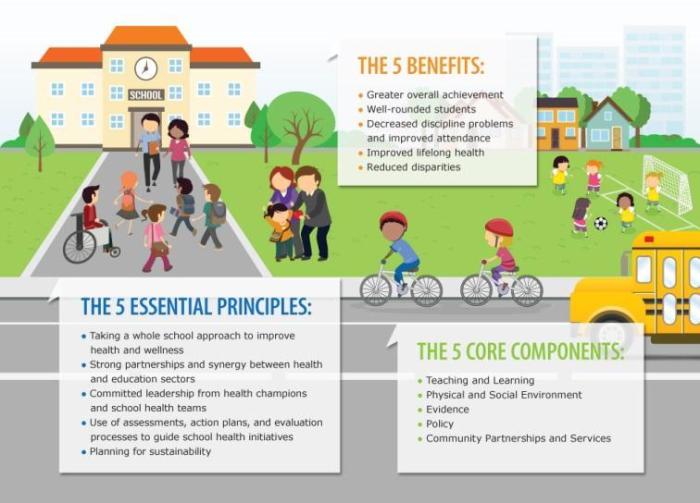
Health education plays a crucial role in empowering individuals and communities to make informed decisions about their health and well-being. By providing knowledge and resources, health education programs can help people adopt healthier lifestyles, prevent diseases, and manage existing health conditions effectively.
Importance of Ongoing Health Education
Continuing health education is essential to keep individuals updated on the latest health information, trends, and advancements. It enables them to stay informed about preventive measures, treatment options, and lifestyle choices that can positively impact their health.
Empowering Individuals Through Health Education
Health education empowers individuals to take control of their health by providing them with the necessary knowledge and skills to make informed decisions. It helps them understand the importance of healthy behaviors, regular screenings, and seeking timely medical care.
Examples of Impactful Health Education Programs
- A community-based diabetes prevention program that educates individuals on healthy eating habits, physical activity, and monitoring blood sugar levels.
- A school-based initiative that promotes mental health awareness and teaches students coping strategies for stress and anxiety.
- An online platform offering resources and tools for smoking cessation, including informational videos, support groups, and personalized quit plans.
Role of Health Educators in Promoting Well-being
Health educators play a vital role in promoting well-being by designing and implementing educational programs that address the specific needs of individuals and communities. They collaborate with healthcare providers, community organizations, and policymakers to create effective interventions that improve health outcomes.
Weight Management: Benefits Of Health Education In Communities
Maintaining a healthy weight is crucial for overall health and well-being. It not only helps in preventing various chronic diseases but also improves quality of life. Effective weight management plays a significant role in achieving optimal physical and mental health.
Importance of Maintaining a Healthy Weight
- Healthy weight reduces the risk of developing conditions like heart disease, diabetes, and high blood pressure.
- It enhances energy levels, boosts self-esteem, and promotes better sleep quality.
- Being at a healthy weight can improve mobility, reduce joint pain, and lower the risk of certain cancers.
Strategies for Effective Weight Management
- Regular physical activity is key to burning calories and maintaining a healthy weight.
- Adopting a balanced diet rich in fruits, vegetables, lean proteins, and whole grains is essential.
- Monitoring portion sizes, staying hydrated, and getting an adequate amount of sleep are important factors.
Tips for Setting Realistic Weight Loss Goals
- Set achievable goals that focus on gradual and sustainable weight loss.
- Track progress, celebrate small victories, and seek support from friends or health professionals.
- Aim for a realistic target weight based on your individual needs and lifestyle.
Impact of Weight Management on Reducing Chronic Diseases
- Maintaining a healthy weight significantly reduces the risk of developing chronic conditions like type 2 diabetes and cardiovascular disease.
- Weight management plays a crucial role in managing and preventing obesity-related health issues.
- By achieving and maintaining a healthy weight, individuals can improve their overall health outcomes and quality of life.
Health Checkups

Regular health checkups play a crucial role in preventing diseases and promoting overall well-being. These routine screenings and tests can help detect any potential health issues early on, allowing for timely intervention and treatment. Here are some key points to consider when it comes to health checkups:
Importance of Regular Health Checkups
Regular health checkups are essential for monitoring your health status and identifying any potential risks or conditions that may need attention. By staying up-to-date with screenings and tests, individuals can take proactive steps to maintain their health and prevent the onset of serious illnesses.
Key Screenings and Tests
- Blood pressure measurement: Regular monitoring of blood pressure levels is crucial for preventing heart disease and other cardiovascular conditions.
- Cholesterol screening: Checking cholesterol levels helps assess the risk of heart disease and stroke.
- Cancer screenings: Depending on age and gender, screenings such as mammograms, Pap smears, colonoscopies, and prostate exams are recommended to detect cancer early.
- Blood sugar testing: Monitoring blood sugar levels is important for preventing and managing diabetes.
Tips for Scheduling and Preparation
- Schedule regular checkups: Make it a priority to schedule annual physical exams and screenings as recommended by healthcare providers.
- Keep track of appointments: Maintain a calendar or set reminders to ensure you do not miss any health checkups.
- Prepare for appointments: Before your checkup, gather any relevant medical records, write down any symptoms or concerns, and have a list of medications you are taking.
Early Detection for Improved Health Outcomes, Benefits of health education in communities
Regular health checkups enable early detection of health issues, allowing for prompt treatment and management. By detecting conditions in their early stages, individuals can improve their health outcomes and quality of life significantly.
Skin Health
Maintaining healthy skin is crucial for overall well-being as our skin serves as a protective barrier against harmful pathogens and environmental factors. In addition to protecting our body, healthy skin also contributes to our confidence and self-esteem.
Common skin conditions such as acne, eczema, psoriasis, and dermatitis can significantly impact an individual’s quality of life. Prevention methods include maintaining good hygiene practices, avoiding harsh chemicals, staying hydrated, and following a healthy diet. Treatment options vary depending on the condition and may involve topical treatments, medications, or lifestyle changes.
A skincare routine plays a vital role in promoting skin health. It typically includes cleansing, exfoliating, moisturizing, and applying sunscreen. Using products suitable for your skin type and avoiding over-exfoliation or harsh chemicals is essential for maintaining a healthy complexion.
Sun protection is paramount for skin health as exposure to harmful UV rays can lead to premature aging, sunburn, and an increased risk of skin cancer. Incorporating sunscreen with a high SPF, wearing protective clothing, and seeking shade during peak sun hours are effective ways to protect your skin from sun damage.
Emotional Health
Emotional health plays a crucial role in our overall well-being, affecting how we think, feel, and act in our daily lives. It is essential to address emotional health to maintain a balanced and healthy lifestyle.
Importance of Emotional Health
Emotional health is closely linked to mental and physical well-being. It impacts our relationships, decision-making abilities, and overall quality of life. Managing stress and promoting emotional resilience are key aspects of maintaining good emotional health.
Strategies for Managing Stress and Promoting Emotional Resilience
- Practice mindfulness and meditation to stay present and reduce anxiety.
- Engage in regular physical activity to release endorphins and relieve stress.
- Develop a strong support system of friends and family for emotional support.
- Seek professional help through therapy or counseling when needed.
Tips for Enhancing Emotional Well-being through Self-care Practices
- Get enough sleep to recharge and improve mood.
- Eat a balanced diet to fuel your body and mind.
- Engage in hobbies and activities that bring you joy and relaxation.
- Set boundaries to protect your mental and emotional space.
Impact of Emotional Health on Physical Health
Emotional health can have a direct impact on physical health. Chronic stress and negative emotions can weaken the immune system, increase the risk of heart disease, and contribute to other health issues. Taking care of your emotional well-being is crucial for overall health and longevity.
Health Motivation
Maintaining healthy habits can be challenging, but staying motivated is key to achieving health goals. Motivation plays a crucial role in driving individuals to make positive lifestyle choices that contribute to their overall well-being.
Role of Motivation in Health
- Motivation helps individuals stay focused on their health goals and overcome obstacles that may arise along the way.
- It provides the drive needed to adopt healthy habits such as regular exercise, balanced nutrition, and stress management.
- Positive reinforcement from achieving small milestones can further boost motivation and encourage continued progress.
Strategies for Staying Motivated
- Set specific, achievable goals to track progress and celebrate accomplishments.
- Find a workout buddy or join a fitness class to stay accountable and motivated.
- Reward yourself with non-food incentives for reaching health milestones.
Supportive Community for Health Motivation
- Having a supportive community can provide encouragement, accountability, and motivation to stay on track with health goals.
- Engaging with like-minded individuals in wellness programs or support groups can create a sense of community and shared commitment to health.
- Sharing successes, challenges, and progress with others can foster a supportive environment that enhances motivation and overall well-being.
Physical Activities
Regular physical activity is crucial for maintaining overall health and well-being. Engaging in different types of physical activities not only benefits our physical health but also has a positive impact on mental and emotional well-being. Incorporating physical activities into our daily routine can lead to long-term health benefits and improve our quality of life.
Importance of Regular Physical Activity
- Improves cardiovascular health and reduces the risk of heart disease.
- Helps in maintaining a healthy weight and reducing the risk of obesity.
- Strengthens muscles and bones, promoting better posture and balance.
- Boosts mood and reduces symptoms of anxiety and depression.
- Increases energy levels and improves sleep quality.
Benefits of Different Types of Physical Activities
- Aerobic exercises: Such as running, swimming, or cycling, improve cardiovascular health and endurance.
- Strength training: Like weightlifting, helps build and tone muscles, increasing metabolism.
- Flexibility exercises: Such as yoga or Pilates, enhance mobility and reduce the risk of injuries.
- Balance exercises: Like tai chi, improve stability and coordination, especially in older adults.
Tips for Incorporating Physical Activities
- Schedule regular workout sessions and treat them as important appointments.
- Find activities you enjoy to make exercise more fun and sustainable.
- Mix up your routine with different types of activities to work different muscle groups.
- Set realistic goals and track your progress to stay motivated.
Long-Term Impact of Physical Activities
- Reduces the risk of chronic diseases such as diabetes, hypertension, and certain types of cancer.
- Improves cognitive function and lowers the risk of dementia and cognitive decline.
- Increases longevity and overall quality of life, promoting healthy aging.
Health Awareness
Raising awareness about health issues in communities is crucial for promoting overall well-being and preventive care. By educating individuals about common health risks, symptoms, and preventive measures, communities can take proactive steps to maintain good health and prevent diseases.
Significance of Health Awareness Campaigns
Health awareness campaigns play a vital role in educating the public about various health issues, encouraging healthy lifestyle choices, and promoting early detection of diseases. These campaigns help individuals make informed decisions about their health and empower them to take control of their well-being.
Examples of Successful Health Awareness Initiatives
- Breast Cancer Awareness Month: This annual campaign raises awareness about breast cancer, encourages early detection through screenings, and promotes support for individuals affected by the disease.
- World AIDS Day: An international day dedicated to raising awareness about HIV/AIDS, reducing stigma, and improving access to prevention and treatment services.
- National Nutrition Month: A campaign focused on educating the public about the importance of balanced nutrition, healthy eating habits, and maintaining a healthy weight.
Role of Individuals in Spreading Health Awareness
Individuals can play a significant role in spreading health awareness within their communities by sharing information, resources, and personal experiences related to health and wellness. By leading by example, advocating for preventive care, and participating in health education programs, individuals can positively influence the health behaviors of those around them.
Preventive Medicine
Preventive medicine plays a crucial role in reducing the burden of disease by focusing on proactive measures to maintain health and prevent illness. By emphasizing preventive care, individuals can avoid the development of chronic conditions and reduce the need for extensive medical interventions.
Role of Vaccinations and Screenings
Regular vaccinations and screenings are essential components of preventive medicine. Vaccinations help protect individuals from various infectious diseases, while screenings allow for early detection of potential health issues. By staying up to date with vaccines and undergoing recommended screenings, individuals can significantly reduce their risk of developing serious health conditions.
Tips for Adopting Preventive Health Measures
– Maintain a healthy diet rich in fruits, vegetables, and whole grains.
– Engage in regular physical activity to support overall health and well-being.
– Stay up to date with recommended vaccinations and screenings based on age and risk factors.
– Prioritize mental health by practicing stress management techniques and seeking support when needed.
– Avoid tobacco use and limit alcohol consumption to reduce the risk of chronic diseases.
Impact on Public Health Outcomes
Preventive medicine not only benefits individuals but also has a positive impact on public health outcomes. By promoting healthy behaviors and early detection of diseases, preventive measures can lead to reduced healthcare costs, improved quality of life, and decreased mortality rates within communities.
Nutritional Counseling
Nutritional counseling plays a crucial role in promoting healthy eating habits among individuals of all ages. By providing personalized guidance and support, nutritional counselors help people make informed choices about their diet and lifestyle.
Benefits of Nutritional Counseling
- Helps individuals address specific health concerns such as weight management, diabetes, heart disease, and digestive issues.
- Provides education on proper nutrition, portion control, and meal planning to improve overall health and well-being.
- Guides people in making healthier food choices and developing sustainable eating habits for long-term success.
Finding a Qualified Nutritional Counselor
- Look for a registered dietitian or nutritionist with relevant credentials and experience in the field.
- Check for reviews and recommendations from trusted sources to ensure the counselor’s expertise and professionalism.
- Avoid practitioners who promote quick fixes or extreme diets, and opt for professionals who prioritize realistic and evidence-based approaches.
Impact of Personalized Nutrition Advice
- Personalized nutrition advice considers an individual’s unique needs, preferences, and health goals, leading to more effective and sustainable outcomes.
- By tailoring recommendations to specific health conditions or dietary requirements, nutritional counseling can help improve overall health and prevent chronic diseases.
- Empowering individuals with personalized nutrition advice fosters a sense of control over their health and encourages positive behavior changes for long-lasting results.
Healthy Mind
Having a healthy mind is crucial for overall well-being and is closely connected to physical health. When our minds are in a good place, it can positively impact our immune system, sleep patterns, and even our risk of developing certain diseases. Maintaining mental health and emotional balance is essential for leading a fulfilling life.
Strategies for Maintaining Mental Health
- Engage in regular exercise to release endorphins and reduce stress.
- Practice mindfulness and meditation to stay present and calm.
- Seek therapy or counseling when needed to address any underlying issues.
- Cultivate strong social connections for support and companionship.
Tips for Fostering a Positive Mindset
- Avoid negative self-talk and practice self-compassion.
- Focus on gratitude and positive affirmations daily.
- Engage in activities that bring joy and fulfillment.
- Leverage hobbies and interests to boost mood and creativity.
Benefits of a Healthy Mind
- Improved mood and emotional well-being.
- Enhanced cognitive function and decision-making abilities.
- Better stress management and resilience in facing challenges.
- Stronger relationships and social interactions.
FAQ Insights
How does health education benefit communities?
Health education empowers individuals to make informed decisions about their health, leading to healthier lifestyles and disease prevention.
What are some examples of successful health education initiatives?
Initiatives like community workshops, awareness campaigns, and school programs have shown positive impacts on health education.
How can individuals contribute to health education in their communities?
Individuals can participate in awareness programs, support local health initiatives, and educate others about the importance of health education.


More Stories