Balanced Nutrition and Energy Levels
Maintaining balanced nutrition plays a crucial role in sustaining energy levels throughout the day. The foods we consume directly impact our energy levels, metabolism, and overall well-being.
Foods for Stable Energy
- Complex carbohydrates like whole grains, fruits, and vegetables provide a steady release of energy.
- Protein-rich foods such as lean meats, fish, eggs, and legumes help maintain energy levels and support muscle function.
- Healthy fats from sources like avocados, nuts, seeds, and olive oil provide long-lasting energy and support brain function.
Importance of Macronutrients
- Carbohydrates are the body’s primary source of energy and should make up a significant portion of your daily intake.
- Proteins are essential for repairing and building tissues, including muscles, which can help sustain energy levels.
- Fats are a concentrated source of energy and play a crucial role in hormone production and nutrient absorption.
Tips for Optimal Energy
- Eat a balanced breakfast with a mix of carbohydrates, proteins, and fats to kickstart your day.
- Include snacks like nuts, yogurt, or fruit between meals to maintain steady energy levels.
- Stay hydrated throughout the day as dehydration can lead to fatigue and decreased energy levels.
- Avoid sugary snacks and refined carbohydrates that can cause energy spikes and crashes.
Healthy Snacks
Incorporating healthy snacks into your diet can help maintain steady energy levels throughout the day. These snacks provide essential nutrients that can boost your energy and prevent crashes, keeping you feeling satisfied and focused.
Nutritious Snack Options
- Almonds: Rich in healthy fats, protein, and fiber, almonds can provide a quick energy boost.
- Greek Yogurt with Berries: Greek yogurt is high in protein, while berries offer antioxidants and vitamins for sustained energy.
- Carrot Sticks with Hummus: Carrots are a good source of vitamins and fiber, paired with protein-rich hummus for a filling snack.
Role of Healthy Snacks in Preventing Energy Crashes
Healthy snacks help stabilize blood sugar levels, preventing sudden spikes and crashes in energy.
Quick and Easy-to-Prepare Snack Ideas
- Rice Cakes with Peanut Butter: Spread peanut butter on rice cakes for a satisfying blend of carbohydrates and protein.
- Apple Slices with Almond Butter: Apples offer fiber and natural sugars, while almond butter adds protein and healthy fats.
- Trail Mix: Create a mix of nuts, seeds, and dried fruits for a portable and energizing snack.
Benefits of Healthy Snacks in a Balanced Diet
Including healthy snacks in your diet can help regulate appetite, support weight management, and improve overall nutritional intake.
Wellness Programs
Wellness programs play a crucial role in promoting balanced nutrition and sustained energy levels among individuals. These programs are designed to educate, motivate, and support participants in making healthier lifestyle choices, including proper nutrition and energy management.
Components of an Effective Wellness Program
An effective wellness program focusing on nutrition and energy typically includes educational workshops on healthy eating habits, personalized meal planning guidance, access to nutritious snacks, physical activity opportunities, and stress management techniques. These components work together to help individuals improve their overall well-being and energy levels.
Examples of Successful Wellness Programs
One successful wellness program is a workplace initiative that provides healthy snack options in the office, offers nutrition seminars, and organizes group fitness activities during lunch breaks. Participants in this program have reported feeling more energized throughout the day and have seen improvements in their overall health and productivity.
Tips for Individuals Benefiting from Wellness Programs
– Take advantage of educational resources and workshops to learn about proper nutrition and energy management.
– Engage in physical activities and exercises offered through the program to boost energy levels.
– Utilize meal planning guidance and healthy snack options to maintain balanced nutrition throughout the day.
– Practice stress management techniques provided by the program to reduce fatigue and enhance overall well-being.
Physical Therapy
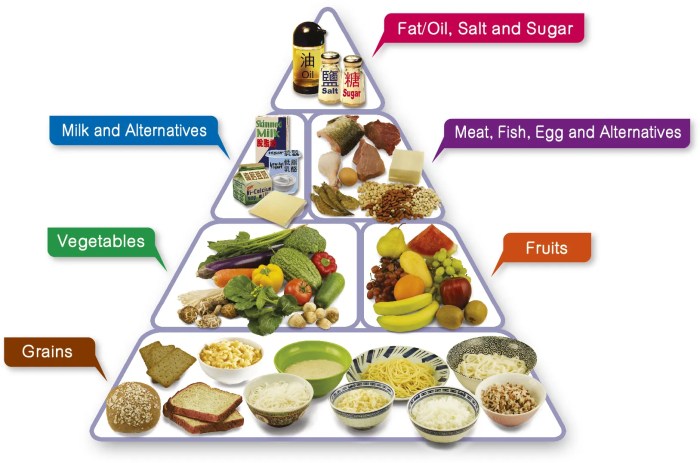
Physical therapy plays a crucial role in improving energy levels by focusing on movement and exercise. By addressing musculoskeletal issues, improving flexibility, and enhancing overall physical function, physical therapy can help individuals feel more energized and revitalized.
Techniques to Increase Energy and Vitality
- Strength Training: Incorporating strength training exercises can help build muscle mass, increase metabolism, and boost overall energy levels.
- Aerobic Exercise: Engaging in activities like walking, running, or cycling can improve cardiovascular health, increase oxygen flow, and enhance energy levels.
- Stretching and Flexibility Exercises: Improving flexibility through stretching exercises can reduce muscle tension, increase circulation, and promote relaxation, leading to higher energy levels.
- Breathing Techniques: Practicing deep breathing exercises can help reduce stress, increase oxygen intake, and improve energy levels.
Success Stories
John, a middle-aged man struggling with chronic fatigue, started physical therapy to address his lower back pain. Through a tailored exercise program, John not only experienced pain relief but also noticed a significant increase in his energy levels, allowing him to engage in daily activities with more vigor and vitality.
Incorporating Physical Therapy into a Balanced Lifestyle
- Schedule Regular Sessions: Make physical therapy appointments a priority in your weekly routine to ensure consistency and progress.
- Combine with Healthy Eating Habits: Pair physical therapy with balanced nutrition to optimize energy levels and overall well-being.
- Set Realistic Goals: Work with your physical therapist to establish achievable goals that align with your energy level improvements.
- Stay Active: Incorporate the exercises and techniques learned in physical therapy into your daily life to maintain and enhance energy levels over time.
Health Coaching: Balanced Nutrition And Energy Levels
Balanced nutrition and energy levels – Health coaching plays a crucial role in guiding individuals towards making better nutrition choices that can help sustain their energy levels. By providing personalized guidance and support, health coaches empower individuals to take control of their nutrition and overall well-being.
Importance of Health Coaching
Health coaches help individuals set realistic and achievable goals related to energy levels by assessing their current habits, identifying areas for improvement, and creating a customized plan for success. Through ongoing support and accountability, health coaches motivate and empower individuals to make lasting changes.
- Health coaches provide education on nutrition, including the importance of balanced meals and snacks to maintain steady energy levels throughout the day.
- They assist individuals in identifying triggers for energy crashes and help them develop strategies to overcome these challenges.
- Health coaches offer guidance on incorporating physical activity into daily routines to enhance energy levels and overall well-being.
Examples of Health Coaching Success
Many individuals have experienced significant improvements in their energy levels through the guidance of health coaches. For example, clients have reported feeling more alert, focused, and energized after making simple changes to their diet and lifestyle habits. By working closely with a health coach, individuals can achieve sustainable energy improvements over time.
- One client improved their energy levels by incorporating more whole foods, such as fruits, vegetables, and lean proteins, into their meals.
- Another client established a consistent sleep schedule and implemented stress-reducing techniques to enhance their overall energy and well-being.
Finding a Qualified Health Coach
When seeking a health coach to support energy and nutrition goals, it is essential to look for someone who is certified, experienced, and knowledgeable in the field of health and wellness. Consider asking for recommendations from trusted sources, researching potential coaches online, and scheduling initial consultations to ensure a good fit.
- Look for health coaches who have credentials from reputable organizations, such as the National Board for Health and Wellness Coaching or the International Coach Federation.
- Ask about the coach’s approach to nutrition and energy management to ensure it aligns with your goals and preferences.
- Consider the coach’s communication style and level of support to determine if they will be able to provide the guidance and motivation you need to reach your energy-related goals.
Medical Advancements
Nutrition and its impact on energy levels have been the focus of numerous medical advancements that have revolutionized the way we understand and manage our energy levels. These advancements have led to innovative treatments and technologies that can help individuals improve their overall health and well-being.
Genetic Testing for Personalized Nutrition Plans
Genetic testing has become increasingly popular in the field of nutrition to provide individuals with personalized insights into their unique dietary needs. By analyzing an individual’s genetic makeup, healthcare professionals can recommend specific nutrient requirements tailored to their genetic predispositions. This personalized approach can help individuals optimize their energy levels and overall health.
Continuous Glucose Monitoring for Blood Sugar Management
Continuous glucose monitoring devices have significantly improved the way individuals manage their blood sugar levels, especially for those with diabetes or other metabolic conditions. By tracking blood sugar levels in real-time, individuals can make informed decisions about their dietary choices to maintain stable energy levels throughout the day. This technology has transformed the way we understand the impact of nutrition on energy regulation.
Telemedicine and Virtual Health Platforms
The rise of telemedicine and virtual health platforms has made healthcare more accessible and convenient for individuals seeking guidance on nutrition and energy management. Through virtual consultations with healthcare professionals, individuals can receive personalized recommendations and support to enhance their energy levels. This innovative approach to healthcare delivery has the potential to revolutionize the future of medical advancements in nutrition and energy management.
Fitness Goals
Setting fitness goals can have a significant positive impact on energy levels. By establishing specific targets to work towards, individuals are more likely to stay motivated and consistent with their exercise routine. This, in turn, can lead to increased energy levels as physical activity helps to improve overall stamina and endurance.
Importance of Combining Exercise with Balanced Nutrition
When it comes to optimizing energy levels, combining exercise with balanced nutrition is key. Regular physical activity helps to boost metabolism, improve circulation, and enhance overall fitness levels. Pairing this with a nutritious diet rich in vitamins, minerals, and macronutrients provides the body with the necessary fuel to perform at its best. This synergy between exercise and nutrition can lead to enhanced energy levels and overall well-being.
Tips for Setting Realistic Fitness Goals
– Start small and gradually increase the intensity and duration of your workouts to avoid burnout.
– Set specific, measurable, achievable, relevant, and time-bound (SMART) goals to track your progress effectively.
– Listen to your body and make adjustments to your fitness routine as needed to prevent injuries and maintain motivation.
– Celebrate small victories along the way to stay motivated and inspired to continue working towards your fitness goals.
Success Stories of Improved Energy Levels
Many individuals have experienced a significant improvement in their energy levels by committing to their fitness goals. Whether it’s running a marathon, completing a strength training program, or simply incorporating more movement into their daily routine, these success stories highlight the transformative power of regular exercise. By setting and achieving fitness goals, individuals can unlock their full potential and experience a newfound sense of vitality and well-being.
Mental Strength
Maintaining consistent energy levels is closely tied to mental strength. Our mindset and ability to manage stress and stay mindful can significantly impact our energy balance throughout the day. By enhancing mental resilience, we can prevent energy fluctuations and ensure a steady supply of vitality to tackle daily tasks.
Practices for Mental Resilience
- Practice mindfulness: Engage in activities such as meditation or deep breathing exercises to stay present and reduce stress levels.
- Develop stress management techniques: Identify triggers and implement coping strategies to handle stressful situations effectively.
- Cultivate positive thinking: Adopt a positive mindset to boost energy levels and maintain a sense of optimism throughout the day.
- Seek support: Build a strong support system of friends, family, or professionals to lean on during challenging times.
Yoga Practice
Regular yoga practice has been known to offer a wide range of benefits for both physical and mental well-being. When it comes to energy levels, incorporating yoga into your daily routine can have a significant impact on boosting your overall vitality and improving your sense of wellness.
Yoga Poses for Boosting Energy
- Mountain Pose (Tadasana): Helps improve posture and increase circulation, providing a sense of rejuvenation.
- Warrior Pose (Virabhadrasana): Enhances strength and stamina, promoting a feeling of empowerment and energy.
- Camel Pose (Ustrasana): Opens up the chest and heart, allowing for deeper breathing and boosting energy levels.
Personal Experiences with Yoga for Energy
“Since starting a regular yoga practice, I have noticed a significant increase in my energy levels throughout the day. The combination of movement, breath work, and mindfulness has truly made a difference in how I feel both physically and mentally.” – Sarah, Yoga Enthusiast
Tips for Integrating Yoga into Daily Routine
- Schedule specific times for yoga practice each day to make it a consistent part of your routine.
- Start with shorter sessions if you’re new to yoga, gradually increasing the duration as you build strength and endurance.
- Choose energizing yoga sequences or poses in the morning to kickstart your day with vitality.
Health Education
Health education plays a crucial role in promoting balanced nutrition and sustained energy levels by providing individuals with the knowledge and skills necessary to make informed choices about their diet and lifestyle.
Importance of Health Education
Health education empowers individuals to understand the impact of their food choices on energy levels and overall well-being. By increasing awareness and knowledge about nutrition, individuals can make healthier choices that support sustained energy throughout the day.
Role of Education in Empowering Choices
Education equips individuals with the tools to decipher nutritional information, understand food labels, and make conscious decisions about their diet. By educating people about the connection between food and energy, they can better manage their energy levels and avoid energy crashes.
Examples of Effective Health Education Programs
- A community-based nutrition workshop that teaches participants how to create balanced meals to support energy levels.
- An online course that educates individuals on the importance of macronutrients and micronutrients in maintaining energy throughout the day.
- A workplace wellness program that offers seminars on healthy snacking options to boost energy and productivity.
Health Literacy and Energy Management
Increased health literacy through education can lead to better energy management by helping individuals understand the nutritional value of different foods, identify energy-boosting snacks, and make informed choices that support sustained energy levels.
Weight Management
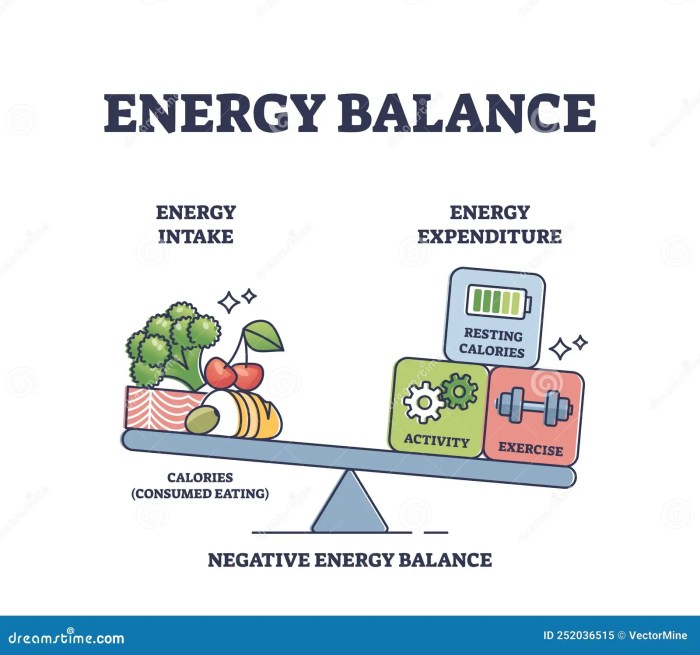
Maintaining a healthy weight is crucial for overall well-being, including energy levels. Excess weight can lead to fatigue, sluggishness, and decreased motivation. On the other hand, achieving a healthy weight through proper nutrition and lifestyle changes can significantly boost energy levels and improve quality of life.
Impact of Weight Management on Energy Levels
- Weight management plays a key role in regulating hormonal balance, which directly impacts energy levels.
- Carrying excess weight puts additional strain on the body, leading to increased fatigue and reduced stamina.
- By maintaining a healthy weight, individuals can experience better sleep quality, leading to improved energy levels throughout the day.
- Regular physical activity, a crucial component of weight management, helps increase energy levels and overall vitality.
Tips for Achieving Weight Management Goals
- Focus on consuming a balanced diet rich in fruits, vegetables, lean proteins, and whole grains.
- Avoid crash diets and instead opt for sustainable lifestyle changes that promote gradual weight loss.
- Incorporate regular exercise into your routine to support weight management and increase energy levels.
- Stay hydrated, as dehydration can lead to feelings of fatigue and low energy.
Success Stories of Improved Energy Levels through Weight Management
- John, after losing 30 pounds through a combination of healthy eating and exercise, reported feeling more energized and motivated throughout the day.
- Sarah, who focused on portion control and mindful eating, experienced a significant increase in energy levels and overall well-being.
- By prioritizing weight management and making sustainable lifestyle changes, many individuals have achieved lasting improvements in their energy levels and quality of life.
Health Checkups
Regular health checkups play a crucial role in monitoring energy levels and overall well-being. These checkups help in early detection of any health issues or imbalances that may be affecting energy levels. By staying proactive with health monitoring, individuals can maintain optimal energy levels and address any concerns before they escalate.
Specific Health Assessments for Energy Balance
When it comes to monitoring energy balance, there are specific health assessments and tests that can provide valuable insights:
- Blood tests: Checking for levels of essential nutrients like iron, vitamin D, and B vitamins can help identify any deficiencies that may be impacting energy levels.
- Thyroid function tests: Thyroid hormones play a key role in regulating metabolism and energy production. Monitoring thyroid function can help identify any imbalances that may be contributing to fatigue.
- Complete metabolic panel: This test provides a comprehensive overview of various markers like blood sugar levels, electrolytes, and kidney function, which can all influence energy levels.
- Sleep studies: Assessing sleep quality and identifying any sleep disorders can be crucial in understanding energy levels and overall health.
Scheduling and Preparation for Routine Health Checkups
It is important to schedule regular health checkups with a healthcare provider to track energy-related markers. Here are some tips for preparing for these appointments:
- Make a list of any symptoms or concerns related to energy levels that you want to discuss with your healthcare provider.
- Bring any relevant medical history, including past test results or diagnoses, to provide a comprehensive overview of your health.
- Follow any specific instructions provided by your healthcare provider, such as fasting before certain tests or avoiding caffeine on the day of the appointment.
- Be open and honest about your lifestyle habits, including diet, exercise, and sleep patterns, as these can all impact energy levels.
Benefits of Proactive Health Monitoring
Proactive health monitoring through regular checkups can offer several benefits in maintaining optimal energy levels:
- Early detection of health issues that may be affecting energy levels.
- Customized treatment plans to address specific energy-related concerns.
- Improved overall well-being and quality of life by staying ahead of potential health problems.
- Increased awareness of lifestyle factors that can impact energy levels, leading to better management of diet, exercise, and sleep.
Skin Health
Skin health is closely linked to balanced nutrition and energy levels. The nutrients we consume play a significant role in supporting the health of our skin and overall vitality. By making mindful dietary choices and following a proper skincare routine, we can enhance our energy levels and boost our confidence.
Nutrients for Healthy Skin
- Vitamin C: Helps in collagen production and protects the skin from sun damage.
- Vitamin E: Acts as an antioxidant, protecting skin cells from damage.
- Omega-3 Fatty Acids: Keep the skin hydrated and reduce inflammation.
- Zinc: Supports the skin’s natural healing process and helps maintain its structure.
Skincare Routine Tips
- Use a gentle cleanser suitable for your skin type.
- Moisturize daily to keep your skin hydrated.
- Apply sunscreen to protect your skin from harmful UV rays.
- Stay hydrated by drinking an adequate amount of water throughout the day.
Benefits of Good Skin Health
Healthy skin not only boosts confidence but also contributes to increased energy levels. When our skin is nourished and well taken care of, it reflects a radiant and vibrant appearance, making us feel more energized and ready to take on the day.
Emotional Health
Emotional health plays a crucial role in determining our energy levels and overall wellness. When we experience stress, anxiety, or negative emotions, it can significantly impact our energy balance, leading to fatigue and decreased productivity.
Influence of Emotional Health on Energy Levels
Emotional health directly influences our energy levels by affecting our mental state and physical well-being. Stress and negative emotions can lead to hormonal imbalances, disrupted sleep patterns, and increased inflammation in the body, all of which can deplete our energy reserves.
- Practice mindfulness and meditation to reduce stress levels and promote emotional well-being.
- Engage in regular physical activity to release endorphins and improve mood.
- Seek support from friends, family, or a therapist to process and manage emotions effectively.
Benefits of Positive Emotional State on Energy Levels
Maintaining a positive emotional state can have numerous benefits on our energy levels and overall health. Positive emotions can boost our immune system, enhance cognitive function, and improve our ability to handle challenges effectively, leading to sustained energy throughout the day.
- Cultivate gratitude and optimism to foster a positive outlook on life and enhance emotional resilience.
- Practice self-care activities such as journaling, hobbies, or spending time in nature to nurture your emotional well-being.
- Surround yourself with supportive and positive individuals who uplift and inspire you to maintain a positive emotional state.
Health Motivation
Maintaining a balanced diet and consistent energy levels requires a strong sense of motivation. Without motivation, it can be challenging to make healthy nutrition choices and stick to them for sustained energy. Let’s explore the role of motivation in achieving these goals and discuss techniques to stay inspired on our health journey.
Techniques for Staying Motivated
- Set specific, achievable goals: Break down your health goals into smaller, manageable steps to track your progress and stay motivated.
- Find a support system: Surround yourself with friends, family, or a health coach who can encourage and motivate you on your journey.
- Reward yourself: Celebrate small victories along the way to reinforce positive behavior and keep yourself motivated.
- Visualize success: Imagine yourself reaching your energy-related goals and how it will improve your overall well-being to stay motivated.
Inspirational Stories and Quotes
“Success is the sum of small efforts repeated day in and day out.” – Robert Collier
“Your body can stand almost anything. It’s your mind that you have to convince.” – Unknown
Sharing inspirational stories or quotes can provide the motivation needed to stay focused on your energy-related goals.
Mindset of Health Motivation
- Practice gratitude: Focus on the positive aspects of your health journey and be grateful for the progress you’ve made.
- Affirmations: Use positive affirmations to remind yourself of your goals and capabilities to boost motivation.
- Stay educated: Learn about the benefits of healthy nutrition and consistent energy levels to reinforce your motivation.
Physical Activities
Regular physical activities play a crucial role in maintaining optimal energy levels throughout the day. By engaging in various forms of exercise, individuals can boost their overall energy and vitality, leading to improved productivity and a better quality of life.
Benefits of Regular Physical Activities for Energy Levels
- Enhances blood circulation, delivering oxygen and nutrients to cells more efficiently.
- Stimulates the release of endorphins, reducing feelings of fatigue and enhancing mood.
- Strengthens muscles and improves endurance, reducing the risk of fatigue during daily activities.
Various Forms of Exercise for Energy Improvement
- Cardiovascular exercises like running, swimming, or cycling to increase heart rate and boost stamina.
- Strength training with weights or resistance bands to build muscle mass and improve metabolism.
- Flexibility exercises such as yoga or Pilates to enhance mobility and reduce muscle stiffness.
Tips for Incorporating Physical Activities into Daily Routines
- Schedule workouts at a consistent time each day to establish a routine.
- Choose activities that you enjoy and find fulfilling to stay motivated and engaged.
- Break up sedentary periods with short bursts of activity like walking or stretching.
Importance of Finding Enjoyable Physical Activities
- Engaging in activities that bring joy and satisfaction can sustain long-term motivation for energy-related goals.
- Exploring different types of exercises can help discover new interests and prevent workout boredom.
- Regularly reassessing and adjusting fitness routines can keep the excitement alive and maintain energy levels.
Health Awareness
Raising awareness about the impact of nutrition on energy levels is crucial for promoting overall well-being and productivity. By understanding how different foods affect our energy levels, individuals can make informed choices to fuel their bodies optimally.
Increased health awareness can lead to better energy management practices by encouraging people to prioritize nutrient-dense foods that provide sustained energy throughout the day. This can help prevent energy crashes and improve focus and productivity, ultimately leading to a higher quality of life.
Initiatives for Promoting Health Awareness
- Public Health Campaigns: Government-led initiatives that educate the public about the importance of balanced nutrition and its impact on energy levels.
- Corporate Wellness Programs: Companies offering workshops and resources to employees to raise awareness about healthy eating habits and its connection to energy levels.
- Social Media Influencers: Individuals with a large following promoting healthy eating habits and sharing recipes to inspire their audience to make better food choices.
Benefits of a Health-Aware Community, Balanced nutrition and energy levels
- Supportive Environment: A community that prioritizes health awareness can offer encouragement and motivation for individuals to make positive changes in their diet and lifestyle.
- Shared Knowledge: Members of a health-aware community can share tips, recipes, and resources to help each other maintain balanced nutrition and optimal energy levels.
- Collective Impact: When a large group of people is educated about the importance of nutrition for energy, it can lead to a ripple effect of healthier choices and habits across the community.
Preventive Medicine
Maintaining optimal energy levels is crucial for overall health and wellbeing. Preventive medicine strategies play a key role in helping individuals achieve and sustain these energy levels by addressing underlying health issues before they escalate.
Role of Preventive Screenings
Preventive screenings, such as regular check-ups and blood tests, can help identify potential health concerns early on. By detecting issues like vitamin deficiencies, hormonal imbalances, or chronic conditions in their initial stages, individuals can take proactive measures to address them and prevent energy-related health issues.
Lifestyle Interventions
Healthy lifestyle choices, including a balanced diet, regular exercise, stress management, and quality sleep, are essential for maintaining optimal energy levels. Incorporating these interventions into daily routines can significantly impact energy levels and overall health.
Tips for Daily Preventive Medicine Practices
- Stay hydrated throughout the day to support bodily functions and energy production.
- Eat a variety of nutrient-dense foods to provide essential vitamins and minerals for sustained energy.
- Engage in regular physical activity to boost metabolism and improve overall energy levels.
- Practice stress-reducing techniques, such as meditation or yoga, to preserve mental and physical energy.
Benefits of Proactive Health Measures
By prioritizing preventive medicine practices, individuals can proactively manage their health and prevent energy-related issues. This approach not only preserves energy and vitality but also reduces the risk of developing chronic conditions that can impact overall wellbeing.
Nutritional Counseling
Nutritional counseling plays a crucial role in guiding individuals towards achieving balanced nutrition and optimal energy levels. By seeking the expertise of a nutritional counselor, individuals can receive personalized dietary recommendations tailored to their specific energy needs.
Benefits of Nutritional Counseling
- Professional guidance on creating a well-rounded diet to support energy balance
- Educational resources to help individuals make informed food choices
- Accountability and support in achieving nutrition-related goals
- Identification of nutrient deficiencies and strategies to address them
Success Stories
“After working with a nutritional counselor, I noticed a significant improvement in my energy levels and overall well-being. The personalized meal plan and guidance I received made a remarkable difference in my daily life.”
Finding a Qualified Nutritional Counselor
- Look for certified professionals with a background in nutrition and dietetics
- Seek recommendations from healthcare providers or trusted sources
- Consider the counselor’s approach and communication style to ensure a good fit
- Inquire about experience with energy-related concerns and success stories from previous clients
Healthy Mind
A healthy mind plays a crucial role in maintaining balanced nutrition and energy levels. Our mental well-being can greatly impact our food choices and how we manage our energy throughout the day. It is essential to prioritize our mental health to ensure overall wellness.
Strategies for Promoting a Healthy Mind
- Practice mindfulness and meditation to reduce stress levels and improve focus.
- Engage in self-care activities such as journaling, spending time in nature, or pursuing hobbies.
- Seek support from a therapist or counselor to address any mental health concerns.
- Stay connected with loved ones and cultivate a strong support system.
- Prioritize sleep and establish a consistent bedtime routine for better mental clarity.
Connection between Healthy Mind and Sustained Energy
When we prioritize our mental health, we are better equipped to make informed food choices that nourish our bodies and provide sustained energy. A healthy mind allows us to stay motivated, focused, and energized throughout the day, leading to improved overall well-being.
FAQ Resource
What foods can help maintain stable energy levels?
Examples include nuts, seeds, whole grains, and lean proteins like chicken or tofu.
How can macronutrients like carbohydrates sustain energy levels?
Carbohydrates provide a quick source of energy, while proteins and fats help maintain energy levels for longer periods.
Why is it important to structure meals for optimal energy?
Properly balanced meals help regulate blood sugar levels and sustain energy throughout the day.


More Stories
Nutritional counseling and weight loss surgery: Maximizing Success Through Comprehensive Support
Blood tests included in health checkups: Comprehensive Guide
Weight management and genetic factors: Understanding the link for a healthier you