Introduction to Yoga Practice for Core Strength
Yoga practice for core strength – Core strength is a crucial aspect of yoga practice as it helps in maintaining stability, balance, and proper alignment during various poses.
Having a strong core not only improves your yoga practice but also benefits your overall health and fitness. It helps in reducing the risk of injuries, improving posture, and enhancing athletic performance.
Role of Core Muscles in Stability and Balance
- Core muscles, including the abdominals, obliques, and lower back muscles, provide support to the spine and pelvis, helping to maintain proper alignment in yoga poses.
- Strong core muscles are essential for maintaining balance during challenging poses like arm balances and inversions, as they provide a solid foundation for the rest of the body.
- Engaging the core muscles also helps in creating a sense of lightness and ease in transitions between poses, allowing for more fluid movements.
Core Strengthening Yoga Poses
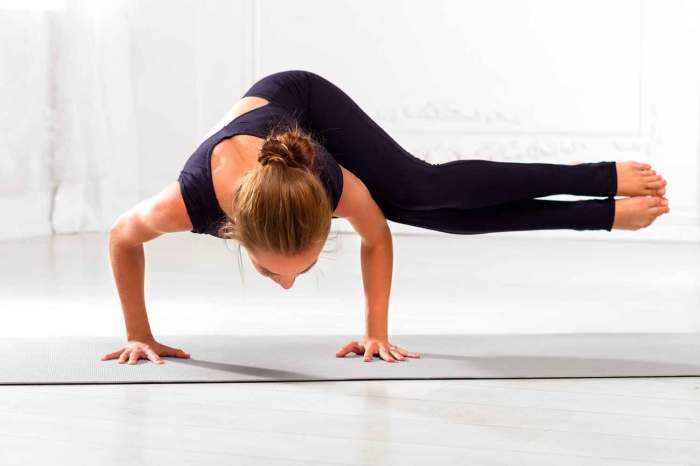
Engaging in yoga poses that target the core muscles can help improve strength, stability, and overall posture. Here are some popular yoga poses that specifically focus on strengthening the core:
Plank Pose
- Plank pose engages the entire core, including the abdominal muscles, obliques, and lower back.
- To modify, drop your knees to the mat while maintaining a straight line from head to knees.
- For a more advanced variation, lift one leg or arm off the ground while holding the plank position.
Boat Pose (Navasana)
- Boat pose targets the abdominal muscles, hip flexors, and lower back.
- To modify, bend your knees or hold onto the backs of your thighs for support.
- For a challenge, straighten your legs and reach your arms forward while balancing on your sit bones.
Side Plank (Vasisthasana)
- Side plank strengthens the core muscles, especially the obliques and shoulders.
- To modify, lower the bottom knee to the ground for added stability.
- You can also lift the top leg to intensify the pose and engage the hip muscles.
Bridge Pose (Setu Bandhasana)
- Bridge pose helps strengthen the core, glutes, and lower back muscles.
- To modify, keep the knees bent and feet hip-width apart for more support.
- Elevating one leg while in bridge pose can increase the challenge and engage the core even further.
Breathing Techniques in Core Strengthening Yoga

Breathwork plays a crucial role in enhancing core strength during yoga practice. By coordinating your breath with specific movements, you can engage your core muscles more effectively, leading to better stability and control.
The Connection Between Breath and Movement
In core-focused yoga poses, such as Plank, Boat Pose, or Side Plank, synchronizing your breath with each movement helps you engage your core muscles more efficiently. For example, inhaling as you lengthen your body and exhaling as you contract or twist can deepen your connection to your core and improve overall strength.
- Focus on breathing deeply from your diaphragm to fully engage your core muscles.
- Exhale fully to activate your transverse abdominis, the deep core muscle responsible for stability.
- Practice matching your breath with the intensity of the movement to maintain control and prevent straining your core.
- Use your breath as a tool to stay present and focused during challenging core exercises.
Incorporating Yoga for Core Strength into Fitness Routines
Integrating yoga for core strength into your existing workout routines can enhance your overall fitness level and promote a balanced approach to physical well-being.
Benefits of Combining Yoga with Other Forms of Exercise for Core Stability
- Yoga helps improve flexibility and mobility, which can complement the strength gained from other forms of exercise like weight training or cardio.
- The focus on breathwork in yoga can enhance endurance and stamina, which are essential for maintaining core stability during intense workouts.
- Yoga promotes mind-body awareness, helping you connect with your core muscles more effectively and improving overall body alignment.
- Combining yoga with other exercises can reduce the risk of injury by strengthening the core and supporting muscles that play a crucial role in maintaining proper form.
Sample Workout Schedules Including Yoga for Core Strength
Here are a few sample workout schedules that incorporate yoga for core strength:
- Morning Routine:
- 5-minute yoga warm-up focusing on core poses like Plank and Boat Pose
- 20 minutes of high-intensity interval training (HIIT) for cardio
- 15 minutes of yoga for core strength targeting exercises like Forearm Plank and Side Plank
- Evening Routine:
- 10 minutes of yoga flow to unwind and stretch, including Cat-Cow and Downward Dog
- 30 minutes of weight training for strengthening muscles
- 10 minutes of yoga cool down with core-focused poses like Bridge and Wind-Relieving Pose
Mind-Body Connection in Core Strengthening Yoga
When it comes to core strengthening yoga, the mind-body connection plays a crucial role in enhancing the effectiveness of the practice. By focusing on mindfulness and mental presence during core-focused yoga routines, individuals can deepen their engagement with the exercises and experience greater benefits.
Importance of Mindfulness and Mental Focus
Practicing mindfulness and maintaining mental focus during core strengthening yoga helps individuals stay present in the moment. This awareness allows them to connect with their bodies on a deeper level, ensuring proper alignment, engagement of targeted muscles, and overall effectiveness of the poses.
Enhancing Exercise Effectiveness
- By staying mindful and focused, individuals can better control their movements and breath, optimizing the engagement of core muscles during yoga poses.
- The mind-body connection helps prevent distractions, allowing practitioners to fully commit to each movement and maintain proper form throughout the practice.
- Increased mental awareness can lead to a stronger mind-muscle connection, improving the efficiency and results of core strengthening exercises.
Techniques for Staying Present and Focused
- Practice deep breathing techniques to anchor your awareness in the present moment and maintain focus on the sensations in your body.
- Set an intention for your practice to cultivate a sense of purpose and commitment, guiding your attention towards your core muscles and alignment.
- Avoid distractions by creating a calm and quiet environment for your yoga practice, allowing yourself to fully immerse in the movements and sensations.
Yoga Practice for Core Strength and Wellness Programs
Incorporating yoga for core strength into wellness programs can offer a comprehensive approach to enhancing overall well-being. By combining core-focused yoga with other wellness activities, individuals can experience a wide range of holistic benefits that promote physical, mental, and emotional wellness.
Benefits of Combining Yoga for Core Strength with Wellness Programs
- Improved Posture: Core strengthening yoga poses help align the spine and improve posture, reducing the risk of injuries and promoting better body mechanics.
- Enhanced Stability: By strengthening the core muscles, individuals can improve balance and stability in daily activities, reducing the risk of falls and enhancing overall mobility.
- Stress Reduction: Mind-body connection practices in core-focused yoga can help reduce stress levels, promote relaxation, and improve mental clarity.
- Increased Energy Levels: Regular practice of yoga for core strength can boost energy levels, enhance vitality, and improve overall quality of life.
Success Stories and Testimonials
“Since incorporating yoga for core strength into my wellness routine, I have noticed a significant improvement in my overall well-being. Not only has my physical strength and flexibility increased, but I also feel more balanced and centered mentally.” – Sarah
“Yoga for core strength has been a game-changer for me. I used to struggle with back pain and poor posture, but after integrating core-focused yoga into my wellness program, I feel stronger, more grounded, and healthier than ever before.” – Mark
Nutrition and Yoga for Core Strength
When it comes to developing core strength, nutrition plays a crucial role in supporting muscle growth, repair, and overall performance. A balanced diet can provide the necessary nutrients to fuel your yoga practice focused on core strength.
Role of Balanced Nutrition
A balanced nutrition plan ensures that you are getting the right combination of macronutrients and micronutrients to support your core muscles. Protein is essential for muscle repair and growth, while carbohydrates provide energy for your yoga practice. Healthy fats help in hormone production and overall health.
Foods to Enhance Core Muscle Health
- Lean proteins such as chicken, fish, tofu, and legumes help in muscle repair.
- Whole grains like quinoa, brown rice, and oats provide sustained energy for your workouts.
- Fruits and vegetables offer essential vitamins, minerals, and antioxidants for overall health and recovery.
- Nuts, seeds, and avocado are excellent sources of healthy fats that support muscle function.
Dietary Tips and Meal Ideas
Here are some tips and meal ideas to align with your yoga practice for core strength:
- Stay hydrated by drinking plenty of water throughout the day.
- Include a source of protein in each meal to support muscle repair.
- Opt for complex carbohydrates to sustain energy levels during your practice.
- Snack on fruits, nuts, or yogurt for a quick and nutritious boost.
- Experiment with nutrient-dense recipes like smoothie bowls, buddha bowls, or protein-packed salads.
Yoga Practice for Core Strength and Mental Health
Core strength through yoga is not just about physical benefits but also plays a significant role in improving mental health. Let’s explore how core-focused yoga can positively impact our emotional well-being by reducing stress and anxiety.
Mindfulness Practices in Core-Focused Yoga, Yoga practice for core strength
Practicing core-strengthening yoga poses requires focus and concentration, which in turn helps in cultivating mindfulness. Mindfulness involves being fully present in the moment, without judgment. This practice can help individuals manage stress and anxiety more effectively.
Emotional Well-Being in Core Strength Yoga
Core-focused yoga not only builds physical strength but also enhances the mind-body connection. By engaging the core muscles and focusing on breath control, individuals can experience a sense of calmness and inner peace. This can lead to improved emotional well-being and overall mental health.
Essential Questionnaire
How often should I practice Yoga for core strength?
It is recommended to practice Yoga for core strength at least 3-4 times a week to see noticeable improvements in your core muscles.
Can beginners try Yoga poses for core strength?
Absolutely! There are modifications and variations available for different fitness levels, making it accessible for beginners to start strengthening their core with Yoga.
Is Yoga practice for core strength only about physical fitness?
No, Yoga practice for core strength also emphasizes the importance of mindfulness, breathwork, and mental focus, making it a holistic approach to overall well-being.


More Stories
Benefits of positive health motivation: Empowering Individuals to Thrive
Creating a personalized fitness plan: Tailoring Your Path to Wellness