Introduction to Creating a Personalized Fitness Plan
Creating a personalized fitness plan – A personalized fitness plan is a tailored exercise and nutrition program designed specifically for an individual based on their goals, preferences, fitness level, and any underlying health conditions. It takes into account the unique needs of the person to optimize their results.
Having a customized approach to fitness is crucial as it ensures that the individual is following a plan that fits their lifestyle, schedule, and body requirements. This personalized plan can help prevent injuries, maximize efficiency, and maintain motivation throughout the fitness journey.
Importance of a Personalized Fitness Plan
A personalized fitness plan can lead to better results compared to following a generic workout routine. Here are some key reasons why a personalized approach is beneficial:
- Targeted Goals: By tailoring the plan to specific objectives such as weight loss, muscle gain, or overall fitness improvement, individuals can achieve their desired outcomes more effectively.
- Individualized Workouts: Customizing exercises based on personal strengths, weaknesses, and preferences can help optimize performance and prevent plateaus.
- Nutritional Guidance: A personalized plan often includes dietary recommendations that align with fitness goals, ensuring proper fueling for workouts and recovery.
- Adaptability: Personalized plans can be adjusted as needed based on progress, changes in lifestyle, or any obstacles that may arise, making it a sustainable long-term solution.
Setting Fitness Goals
Setting fitness goals is an essential step in creating a personalized fitness plan as it provides direction, motivation, and a sense of accomplishment. Goals should be specific, measurable, achievable, relevant, and time-bound (SMART) to ensure success and progress.
Types of Fitness Goals
There are various types of fitness goals that individuals can set based on their preferences and objectives. Some common examples include:
- Weight Loss: Aiming to shed a certain number of pounds or reach a specific body fat percentage.
- Muscle Gain: Focusing on increasing muscle mass and strength through resistance training.
- Endurance: Improving cardiovascular fitness and stamina for activities like running or cycling.
Each type of goal requires a different approach and training regimen, which is why it is crucial to identify what you want to achieve with your fitness plan.
Importance of Goal-Setting
Goal-setting plays a vital role in creating a personalized fitness plan as it helps in:
- Providing clarity and focus on what you want to accomplish.
- Motivating you to stay committed and consistent with your workouts.
- Tracking progress and making necessary adjustments to your plan.
- Setting realistic expectations and celebrating achievements along the way.
By setting SMART goals and aligning them with your fitness aspirations, you can tailor a plan that suits your needs and maximizes your chances of success.
Assessing Current Fitness Level
Before embarking on any fitness journey, it is crucial to assess your current fitness level. This evaluation serves as a baseline to measure progress, identify strengths and weaknesses, and tailor a personalized plan that aligns with your goals.
Methods for Assessing Fitness Level
- 1. Fitness Tests: Conducting various fitness tests such as cardiovascular endurance, strength, flexibility, and body composition can provide valuable insights into your overall fitness level.
- 2. Body Composition Analysis: Measuring body fat percentage, muscle mass, and other body composition metrics can help determine your body’s current composition and guide your fitness plan accordingly.
By knowing your starting point through these assessments, you can set realistic goals, track progress accurately, and make necessary adjustments to optimize your fitness routine. Understanding where you stand in terms of fitness allows you to create a plan that is tailored to your individual needs and capabilities, increasing the likelihood of achieving sustainable results.
Designing a Workout Routine
When it comes to designing a workout routine, it’s essential to consider various components to ensure a well-rounded approach that caters to individual goals and preferences. A balanced workout routine typically includes elements such as cardio, strength training, and flexibility exercises. Here are some tips on how to create a personalized workout plan:
Components of a Well-Rounded Workout Routine
- Cardiovascular Exercises: Include activities like running, cycling, or swimming to improve heart health and endurance.
- Strength Training: Incorporate weightlifting or bodyweight exercises to build muscle strength and tone.
- Flexibility Exercises: Don’t forget to include stretching or yoga to improve flexibility and prevent injuries.
Tips for Designing a Workout Plan
- Set Clear Goals: Determine what you want to achieve with your workout routine, whether it’s weight loss, muscle gain, or overall fitness improvement.
- Consider Preferences: Choose activities that you enjoy and are more likely to stick with in the long run.
- Include Variety: Keep your routine interesting by mixing different types of exercises to target various muscle groups and prevent boredom.
- Progression: Gradually increase the intensity or duration of your workouts to challenge your body and continue seeing results.
Importance of Variety and Progression
Adding variety to your fitness routine not only keeps things exciting but also ensures that you are working different muscle groups and avoiding plateaus. Progression, on the other hand, is crucial for improving fitness levels and reaching new milestones. By progressively challenging yourself, you can see continuous improvement and prevent your body from adapting to a stagnant routine.
Planning Balanced Nutrition
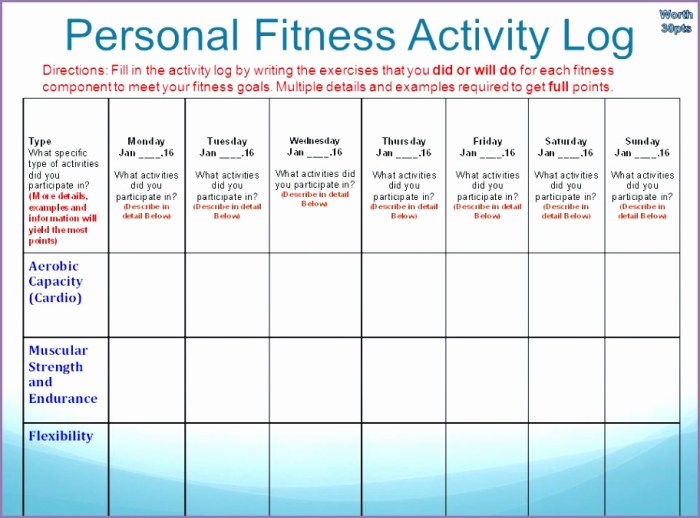
Proper nutrition plays a crucial role in achieving fitness goals as it provides the necessary fuel for the body to perform optimally during workouts and aid in recovery. By planning a balanced nutrition strategy, individuals can ensure they are meeting their specific dietary needs to support their fitness objectives.
Examples of Balanced Meals and Snacks
- For individuals looking to build muscle, a balanced meal could consist of lean protein sources like chicken or tofu, complex carbohydrates such as quinoa or sweet potatoes, and healthy fats like avocado or nuts.
- For those aiming to lose weight, a balanced snack could be a Greek yogurt with berries or a small handful of almonds to keep hunger at bay without consuming excess calories.
- For endurance athletes, a balanced meal might include whole grains like brown rice, plenty of vegetables for vitamins and minerals, and a source of lean protein like fish or beans.
Personalizing Nutrition Plans
- Consider individual dietary preferences and restrictions when creating a personalized nutrition plan to ensure compliance and satisfaction.
- Adjust macronutrient ratios based on specific fitness goals, such as increasing protein intake for muscle building or focusing on complex carbohydrates for endurance training.
- Consult with a registered dietitian to tailor a nutrition plan to meet unique needs, taking into account factors like allergies, intolerances, and lifestyle requirements.
Incorporating Mental Strength and Wellness

Mental strength plays a crucial role in maintaining motivation and overcoming challenges on the fitness journey. It is essential to focus not only on physical aspects but also on mental well-being to achieve overall wellness.
Enhancing Mental Resilience
Building mental resilience is key to staying committed to your fitness plan. Here are some strategies to enhance mental strength:
- Practice positive self-talk to boost confidence and motivation.
- Set realistic goals to prevent feelings of overwhelm and maintain a sense of accomplishment.
- Stay adaptable and embrace setbacks as learning opportunities rather than failures.
Well-being Practices, Creating a personalized fitness plan
Incorporating practices like mindfulness and stress management can greatly benefit your personalized fitness plan. These practices help in reducing stress levels and improving overall mental health:
- Include meditation or deep breathing exercises to promote relaxation and focus.
- Engage in activities that bring you joy and help you unwind, such as yoga or spending time in nature.
- Ensure you get enough rest and prioritize sleep to support mental clarity and emotional well-being.
Seeking Support from Health Professionals
Seeking guidance from health professionals such as health coaches, nutritionists, and fitness trainers can greatly benefit individuals looking to create a personalized fitness plan. These experts can provide valuable insights, personalized advice, and support to help individuals achieve their fitness goals effectively and safely.
Physical Therapy for Injury Prevention and Rehabilitation
Physical therapy plays a crucial role in both preventing injuries and aiding in the rehabilitation process. By working with a physical therapist, individuals can learn proper techniques, exercises, and strategies to prevent injuries during workouts. Additionally, physical therapy can help individuals recover from injuries faster and regain strength and mobility to get back to their fitness routines.
Medical Advancements in Personalized Healthcare
Medical advancements have contributed significantly to personalized healthcare solutions for fitness enthusiasts. From genetic testing to personalized nutrition plans, individuals now have access to cutting-edge technologies and treatments that can optimize their fitness journey. By leveraging these advancements, individuals can tailor their fitness plans based on their unique genetic makeup, health needs, and goals.
Monitoring Progress and Making Adjustments
Monitoring your progress and making adjustments to your fitness plan are crucial steps in achieving your goals effectively.
Methods for Tracking Fitness Progress
Tracking your fitness progress is essential to understand how your body is responding to the workout routine and nutrition plan. Here are some effective methods for tracking your progress:
- Keeping a workout journal to log your exercises, sets, reps, and weights used.
- Using fitness apps to track your daily activity, calorie intake, and workout performance.
- Regularly measuring key indicators such as body weight, body fat percentage, and muscle mass.
Importance of Regular Evaluation and Adjustment
Regularly evaluating your fitness plan allows you to assess whether you are making progress towards your goals. It also helps in identifying areas that need improvement and adjustment. Here’s why it’s important:
- Ensures that you are on the right track towards achieving your fitness goals.
- Helps in identifying plateaus or areas of stagnation that need to be addressed.
- Allows for modifications based on feedback from your body’s response to the plan.
Identifying When Changes are Needed and Making Adjustments
It’s important to know when changes are needed in your fitness plan and how to make effective adjustments. Here’s how you can identify when adjustments are necessary and make the changes:
- Pay attention to signs of fatigue, lack of progress, or discomfort during workouts.
- Review your progress tracking data to see if you are not meeting your goals.
- Consult with a fitness professional or coach for guidance on making appropriate adjustments.
FAQ Explained: Creating A Personalized Fitness Plan
How do I determine my starting point for a personalized fitness plan?
Assess your current fitness level using methods like fitness tests or body composition analysis to tailor your plan accordingly.
Why is mental strength important in a personalized fitness plan?
Mental strength plays a vital role in staying motivated, overcoming challenges, and enhancing overall well-being during your fitness journey.
How can I track my progress in a personalized fitness plan?
You can track progress by keeping a workout journal, using fitness apps, or regularly evaluating your results to make necessary adjustments.


More Stories
Benefits of positive health motivation: Empowering Individuals to Thrive
Yoga practice for core strength: Building a Stronger Center