Health Coaching for Women’s Health Issues
Health coaching for women’s health issues – Health coaching plays a crucial role in addressing women’s health concerns by providing personalized support, guidance, and education to help women make positive lifestyle changes and improve their overall well-being.
Common Women’s Health Issues Managed through Health Coaching:
- Menstrual Irregularities: Health coaches can help women manage menstrual irregularities through lifestyle modifications, stress management techniques, and nutritional guidance.
- Menopause Symptoms: Health coaching can support women experiencing menopausal symptoms by providing strategies to alleviate hot flashes, mood swings, and sleep disturbances.
- Weight Management: Health coaches assist women in setting realistic weight loss goals, creating personalized nutrition plans, and implementing sustainable exercise routines.
- Stress and Anxiety: Health coaching offers techniques to help women cope with stress, anxiety, and overwhelm, promoting mental and emotional well-being.
Benefits of Personalized Health Coaching for Women:
- Individualized Support: Health coaching provides personalized guidance tailored to each woman’s unique health needs and goals.
- Accountability and Motivation: Health coaches offer ongoing support, accountability, and motivation to help women stay committed to their health journey.
- Educational Empowerment: Health coaching empowers women with knowledge and tools to make informed decisions about their health and well-being.
- Long-Term Sustainable Changes: Health coaching focuses on creating sustainable lifestyle changes that lead to long-term health improvements and overall wellness.
Healthy Snacks
When it comes to maintaining a healthy lifestyle, snacking plays a crucial role in providing necessary nutrients and sustaining energy levels throughout the day. Choosing nutritious snacks can help women manage their weight, support hormonal balance, and improve overall well-being.
List of Nutritious Snacks:
- Fruit salad with Greek yogurt
- Vegetable sticks with hummus
- Whole grain crackers with avocado
- Nuts and seeds mix
- Cottage cheese with berries
Importance of Snacking Mindfully:
Snacking mindfully involves being aware of the food choices you make and how they impact your health. Mindful snacking can prevent overeating, regulate blood sugar levels, and support proper digestion. It is essential to choose snacks that are high in nutrients and low in added sugars and unhealthy fats.
Tips for Incorporating Healthy Snacks:
- Plan ahead by prepping snacks in advance to avoid reaching for unhealthy options.
- Keep a variety of healthy snacks readily available at home or work to prevent impulse eating.
- Listen to your body’s hunger cues and choose snacks that satisfy your cravings while providing nutrition.
- Avoid distractions while snacking to fully enjoy and appreciate the flavors and textures of your food.
Wellness Programs
Wellness programs tailored for women focus on addressing their unique health needs and promoting overall well-being. These programs typically incorporate a combination of physical activity, nutritional guidance, stress management techniques, and mental health support to help women achieve optimal health.
Types of Wellness Programs for Women
- Yoga and Meditation Classes: These programs help women reduce stress, improve flexibility, and enhance mental clarity.
- Nutrition Counseling: Nutritionists provide guidance on healthy eating habits, meal planning, and weight management to support women’s overall health.
- Fitness Challenges: Group workouts and fitness challenges encourage women to stay active, improve cardiovascular health, and boost confidence.
- Mental Health Workshops: These programs offer strategies to cope with anxiety, depression, and other mental health issues that women may face.
Success Stories of Women Benefiting from Wellness Programs
“After participating in a wellness program that included yoga and nutrition counseling, I noticed a significant improvement in my energy levels and overall mood. I feel more empowered to take control of my health,” shared Sarah, a participant in a women’s wellness program.
Physical Therapy: Health Coaching For Women’s Health Issues
Physical therapy plays a crucial role in managing women’s health issues by focusing on rehabilitation, pain management, and improving overall mobility and function. It can help women regain strength, flexibility, and endurance, especially after surgeries or injuries. Additionally, physical therapy can address specific conditions such as pelvic floor dysfunction, osteoporosis, and prenatal/postnatal care.
Exercises for Women’s Health
- Kegel exercises: These exercises are beneficial for strengthening the pelvic floor muscles, which can help in managing urinary incontinence and pelvic organ prolapse.
- Core strengthening exercises: Strengthening the core muscles can improve posture, reduce back pain, and support the pelvic organs.
- Hip strengthening exercises: Strengthening the hip muscles can help alleviate hip pain, improve stability, and prevent injuries.
- Cardiovascular exercises: Engaging in aerobic activities like walking, swimming, or cycling can improve heart health, boost mood, and increase overall fitness levels.
Role of Physical Therapy in Women’s Well-being
- Pain management: Physical therapy techniques such as manual therapy, therapeutic exercises, and modalities can help reduce pain and discomfort associated with various women’s health issues.
- Rehabilitation: Physical therapy can aid in the rehabilitation process post-surgery, injury, or illness, promoting faster recovery and restoring optimal function.
- Education and empowerment: Physical therapists educate women on proper body mechanics, posture, and exercises, empowering them to take an active role in their health and well-being.
- Preventive care: By addressing musculoskeletal imbalances and movement dysfunctions, physical therapy can help prevent future injuries and complications, promoting long-term health and wellness.
Medical Advancements
Medical advancements in women’s health have made significant strides in recent years, revolutionizing the way healthcare is provided to women. These advancements not only improve treatment options but also enhance the overall quality of care and outcomes for female patients.
Advancements in Medical Treatments
- Minimally invasive surgeries, such as robotic-assisted procedures, have reduced recovery times and minimized scarring for women undergoing gynecological surgeries.
- Targeted therapies and personalized medicine have allowed for more precise and effective treatments for conditions like breast cancer, ovarian cancer, and endometriosis.
- Advances in reproductive technologies, such as in vitro fertilization (IVF) and preimplantation genetic testing, have helped women struggling with infertility achieve successful pregnancies.
Technology’s Impact on Women’s Healthcare
- Telemedicine and virtual consultations have made healthcare more accessible to women, especially those in rural or underserved areas, allowing them to receive care from the comfort of their homes.
- Wearable health devices and mobile apps enable women to track their health metrics, monitor chronic conditions, and stay connected with healthcare providers for better management of their health.
- Artificial intelligence and machine learning algorithms are being used to analyze vast amounts of healthcare data, leading to more accurate diagnoses, personalized treatment plans, and predictive analytics for women’s health issues.
Future of Medical Advancements in Women’s Health
- Genomic sequencing and gene editing technologies hold promise for identifying genetic risks for diseases and developing targeted therapies for women with hereditary conditions.
- Nanotechnology and bioengineering may revolutionize drug delivery systems, diagnostic tools, and tissue regeneration techniques, offering innovative solutions for women’s health challenges.
- Collaborative research efforts and interdisciplinary approaches are shaping the future of women’s health by integrating medical, technological, and social advancements to provide holistic and patient-centered care.
Fitness Goals
Setting realistic fitness goals is essential for women’s health as it helps in improving overall well-being, boosting confidence, and reducing the risk of chronic diseases. It provides a sense of direction and motivation to stay committed to a healthy lifestyle.
Tips for Creating a Personalized Fitness Plan
- Assess your current fitness level: Start by evaluating your strengths, weaknesses, and areas for improvement.
- Set specific and achievable goals: Define clear objectives that are realistic and measurable to track your progress.
- Include a variety of exercises: Incorporate cardio, strength training, flexibility, and balance exercises to ensure a well-rounded fitness routine.
- Consult with a fitness professional: Seek guidance from a certified trainer or health coach to create a tailored plan based on your individual needs and goals.
- Stay consistent and make adjustments: Consistency is key to seeing results, but be open to modifying your plan as needed to prevent plateaus and maintain motivation.
Importance of Staying Motivated
Staying motivated is crucial for achieving fitness goals as it helps women overcome challenges, stay focused, and sustain long-term commitment to their health and well-being. Here are some tips to stay motivated:
- Find your why: Identify your reasons for wanting to achieve your fitness goals, whether it’s improving your health, boosting confidence, or enhancing your quality of life.
- Track your progress: Keep a fitness journal, use apps, or take measurements to monitor your advancements and celebrate small victories along the way.
- Mix it up: Prevent boredom and plateaus by trying new exercises, joining group classes, or incorporating outdoor activities to keep your routine fresh and exciting.
- Reward yourself: Treat yourself to non-food rewards for reaching milestones, such as a spa day, new workout gear, or a relaxing massage to reinforce positive behaviors.
- Stay connected: Surround yourself with a supportive network of friends, family, or workout buddies who can encourage and motivate you during your fitness journey.
Balanced Nutrition
Having a balanced nutrition is crucial for women’s overall health as it provides the necessary nutrients to support bodily functions, hormonal balance, and overall well-being.
Well-Rounded Diet for Women’s Well-Being
A well-rounded diet for women should include a variety of nutrients to support different aspects of health:
- Protein: Lean sources like chicken, fish, tofu, and legumes provide essential amino acids for muscle repair and hormone production.
- Healthy fats: Avocado, nuts, seeds, and olive oil are rich in omega-3 fatty acids that support brain function and heart health.
- Complex carbohydrates: Whole grains, fruits, and vegetables provide fiber for digestion and energy for daily activities.
- Vitamins and minerals: Foods like leafy greens, citrus fruits, and dairy products offer essential nutrients like vitamin C, calcium, and iron for overall health.
Tips for Maintaining a Balanced and Healthy Diet
Here are some tips to help women maintain a balanced and healthy diet:
- Plan meals ahead of time to ensure you have nutritious options available.
- Include a variety of colors in your meals to ensure you are getting a range of nutrients.
- Avoid skipping meals and aim for regular, balanced meals throughout the day.
- Stay hydrated by drinking plenty of water and limiting sugary beverages.
- Listen to your body’s hunger and fullness cues to avoid overeating or undereating.
Mental Strength
Maintaining mental strength is crucial for overall women’s health as it plays a significant role in managing stress, anxiety, and other mental health issues. Women often face unique challenges that can impact their mental well-being, making it essential to focus on building resilience and coping strategies.
Importance of Mental Strength
Enhancing mental resilience is key for women to navigate the demands of daily life, juggle multiple responsibilities, and cope with various stressors effectively. It not only improves emotional well-being but also positively impacts physical health outcomes.
Strategies for Enhancing Mental Resilience
- Practice mindfulness meditation to increase self-awareness and reduce stress levels.
- Engage in regular physical exercise to boost mood and decrease symptoms of anxiety and depression.
- Develop a strong support system of friends, family, or a therapist for emotional guidance and encouragement.
- Set realistic goals and prioritize self-care to prevent burnout and maintain a healthy work-life balance.
Mindfulness Exercises for Mental Well-being
- Deep breathing exercises: Inhale deeply through your nose, hold for a few seconds, and exhale slowly through your mouth to calm the mind and body.
- Body scan meditation: Focus on each part of your body, gradually releasing tension and promoting relaxation from head to toe.
- Gratitude journaling: Write down three things you are grateful for each day to shift your focus to positive aspects of life and cultivate a sense of contentment.
- Yoga practice: Incorporate gentle yoga poses and mindful movements to improve flexibility, reduce stress, and enhance mental clarity.
Yoga Practice
Yoga is a powerful practice that offers numerous benefits for women’s physical and mental health. It combines physical postures, breathing exercises, and meditation to promote overall well-being.
Yoga Poses for Women’s Specific Health Concerns
- Child’s Pose: Helps alleviate menstrual discomfort and lower back pain.
- Cobra Pose: Strengthens the pelvic floor muscles and can aid in reproductive health.
- Warrior II Pose: Improves circulation and can help with symptoms of menopause.
Role of Yoga in Promoting Relaxation and Stress Management for Women
Yoga plays a crucial role in helping women manage stress and promote relaxation. Through deep breathing techniques and mindful movement, yoga can help reduce cortisol levels and calm the nervous system. This can lead to improved mental clarity, better sleep, and overall emotional well-being.
Health Education
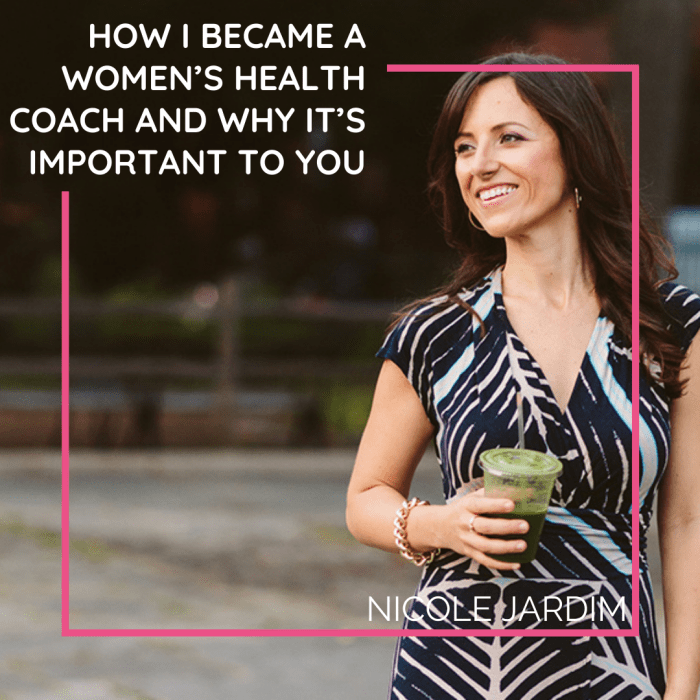
Health education plays a crucial role in empowering women to make informed choices about their well-being. By providing access to accurate and reliable information, women can take control of their health and make proactive decisions to improve their quality of life.
Significance of Health Education for Women
- Health education helps women understand their bodies and health needs better.
- It enables women to recognize symptoms and seek timely medical attention.
- Empowers women to make healthy lifestyle choices for disease prevention.
- Encourages regular health screenings and check-ups for early detection of health issues.
Resources for Reliable Health Information
- Government health websites like the CDC and NIH provide evidence-based information tailored for women.
- Health magazines and websites like Women’s Health and Healthline offer articles on various women’s health topics.
- Consulting healthcare professionals like doctors and nurses for personalized health guidance.
Tips for Women to Stay Informed
- Attend health education workshops or seminars to expand your knowledge on women’s health issues.
- Subscribe to reputable health newsletters or follow health influencers on social media for regular updates.
- Keep a health journal to track symptoms, appointments, and questions for your healthcare provider.
Weight Management
Maintaining a healthy weight is crucial for women’s overall health as it can help prevent various health issues such as heart disease, diabetes, and certain types of cancer. Being at a healthy weight also boosts energy levels, improves mood, and enhances self-esteem.
Strategies for Effective Weight Management
- Engage in regular physical activity: Incorporate a mix of cardio, strength training, and flexibility exercises into your routine.
- Follow a balanced nutrition plan: Focus on whole foods, fruits, vegetables, lean proteins, and whole grains while limiting processed foods and sugary drinks.
- Stay hydrated: Drink plenty of water throughout the day to support metabolism and curb cravings.
- Get enough sleep: Aim for 7-9 hours of quality sleep each night to regulate hunger hormones and support weight management.
- Manage stress: Practice relaxation techniques such as deep breathing, meditation, or yoga to prevent emotional eating.
Link Between Weight Management and Preventing Health Issues
Maintaining a healthy weight plays a significant role in preventing health issues such as obesity, heart disease, diabetes, high blood pressure, and certain types of cancer in women. By managing weight effectively through a combination of regular physical activity, balanced nutrition, proper hydration, quality sleep, and stress management, women can reduce their risk of developing these chronic conditions and lead a healthier, more fulfilling life.
Health Checkups
Regular health checkups are essential for women at every stage of life to ensure early detection and prevention of potential health issues. These screenings can help in maintaining overall well-being and addressing any concerns before they escalate.
Recommended Health Checkups and Screenings
- Annual physical exams: Regular checkups with a healthcare provider to monitor overall health and well-being.
- Pap smear and HPV testing: Important for cervical cancer screening, usually recommended every 3-5 years for women aged 21-65.
- Mammograms: Screening for breast cancer, typically recommended every 1-2 years for women aged 40 and above.
Importance of Regular Health Checkups
- Early detection: Regular screenings can help detect health issues early when they are easier to treat.
- Preventive care: Monitoring health through checkups can prevent the development of serious conditions.
- Peace of mind: Regular health checkups can provide reassurance and peace of mind regarding one’s health status.
Tips to Prioritize and Schedule Routine Health Screenings
- Keep a health journal: Maintain a record of past screenings and upcoming appointments.
- Set reminders: Use calendars or apps to schedule and remind you of upcoming screenings.
- Discuss with your healthcare provider: Consult with your doctor to understand which screenings are recommended for your age and health status.
Skin Health
Skin health is an important aspect of overall well-being, especially for women. Maintaining healthy skin not only boosts confidence but also plays a significant role in women’s health. Here, we will explore common skin health concerns specific to women and how to address them, provide skincare tips and routines for healthy skin, and discuss the connection between skin health and overall well-being in women.
Common Skin Health Concerns
- Acne: Hormonal changes, stress, and diet can contribute to acne breakouts in women. It is essential to follow a proper skincare routine, including cleansing, exfoliating, and moisturizing, to manage acne.
- Eczema: Women are more prone to eczema, a condition characterized by dry, itchy skin. Using gentle skincare products, avoiding triggers, and keeping the skin moisturized can help alleviate eczema symptoms.
- Sun Damage: Women often face sun damage due to exposure to harmful UV rays. It is crucial to use sunscreen daily, wear protective clothing, and seek shade to prevent sunburn and premature aging.
Skincare Tips and Routines
- Cleanse: Use a gentle cleanser suitable for your skin type to remove dirt, oil, and makeup without stripping the skin of its natural oils.
- Moisturize: Hydrate your skin with a moisturizer that locks in moisture and keeps your skin soft and supple.
- Sun Protection: Apply sunscreen with at least SPF 30 daily to protect your skin from harmful UV rays and prevent sun damage.
Connection between Skin Health and Overall Well-being
Healthy skin is not just about appearance; it reflects your overall health and well-being. Skin issues can be a sign of underlying health problems, such as hormonal imbalances or nutritional deficiencies. Taking care of your skin through proper skincare routines, balanced nutrition, and lifestyle habits can contribute to your overall well-being as a woman.
Emotional Health

Emotional health plays a crucial role in women’s overall well-being. It directly impacts their mental wellness, physical health, relationships, and quality of life. When women prioritize their emotional health, they are better equipped to handle life’s challenges and thrive in all aspects of their lives.
Impact of Emotional Health
Emotional health affects how women think, feel, and act in everyday situations. It influences their ability to cope with stress, make decisions, form relationships, and maintain a positive outlook on life. Poor emotional health can lead to anxiety, depression, mood swings, and even physical health issues. On the other hand, good emotional health promotes resilience, self-confidence, and a sense of fulfillment.
Strategies for Managing Emotions
- Practice mindfulness and deep breathing exercises to stay present and calm.
- Engage in regular physical activity to release endorphins and boost mood.
- Express emotions through journaling, art, or talking to a trusted friend or therapist.
- Establish healthy boundaries and prioritize self-care to prevent emotional burnout.
Promoting Mental Wellness in Women
- Encourage regular self-reflection and introspection to understand emotions and triggers.
- Promote a healthy work-life balance to reduce stress and prevent emotional overload.
- Advocate for destigmatizing mental health and seeking professional help when needed.
- Provide access to support groups, hotlines, and online resources for women facing emotional challenges.
Resources for Emotional Health Support
- National Alliance on Mental Illness (NAMI) helpline for immediate assistance.
- Therapy apps like Talkspace or BetterHelp for convenient access to therapy sessions.
- Local community centers offering counseling services and support groups for women.
- Books and online articles on emotional intelligence, self-care, and mental wellness.
Health Motivation
Staying motivated is crucial when it comes to prioritizing health and well-being. Motivation acts as a driving force that helps individuals stay committed to their health goals, making it easier to adopt healthy lifestyle choices and sustain them in the long run.
Tips to Boost Motivation for Women’s Health, Health coaching for women’s health issues
- Set specific, achievable goals: Break down larger health goals into smaller, manageable tasks to track progress and stay motivated.
- Find a supportive community: Surround yourself with like-minded individuals who can provide encouragement and accountability.
- Reward yourself: Celebrate small victories along the way to maintain motivation and boost self-confidence.
- Stay informed: Educate yourself about the benefits of a healthy lifestyle and the impact it can have on your overall well-being.
- Practice self-care: Prioritize activities that help reduce stress and improve mental health, such as mindfulness, meditation, or hobbies you enjoy.
Role of Motivation in Long-Term Health Goals
Motivation plays a key role in sustaining healthy habits over time, especially when faced with challenges or setbacks. It helps individuals stay focused, resilient, and committed to their health journey, ultimately leading to long-term success in achieving health goals.
Physical Activities
Regular physical activity plays a crucial role in maintaining women’s health and overall well-being. It not only helps in managing weight but also reduces the risk of chronic diseases, improves mental health, and boosts energy levels. Here are some benefits and tips for incorporating physical activities into a busy schedule:
Benefits of Regular Physical Activity
- Improves cardiovascular health and reduces the risk of heart disease
- Enhances muscle strength and flexibility
- Helps in managing stress and improving mental health
- Boosts metabolism and aids in weight management
- Improves overall quality of sleep
Examples of Fun and Effective Exercises for Women
- Yoga: Combines strength, flexibility, and relaxation
- Dance: Zumba, hip-hop, or salsa for a fun cardio workout
- Strength Training: Using weights or resistance bands to build muscle
- Pilates: Focuses on core strength, flexibility, and posture
- Hiking: Enjoy nature while getting a good workout
Tips for Incorporating Physical Activities into a Busy Schedule
- Schedule workouts like appointments to prioritize exercise
- Break up physical activity into shorter sessions throughout the day
- Choose activities that you enjoy to make exercise more fun and sustainable
- Include physical activity in daily tasks, such as taking the stairs instead of the elevator
- Join group fitness classes or find a workout buddy for motivation
Health Awareness
Raising awareness about women’s health issues is crucial for promoting overall well-being and preventing diseases. By understanding the unique health challenges that women face, individuals can take proactive steps to maintain good health and seek appropriate medical care when needed.
Initiatives and campaigns focused on promoting women’s health awareness play a significant role in educating the public about prevalent health issues and encouraging women to prioritize their health. These efforts often provide valuable information, resources, and support to help women make informed decisions about their health and lifestyle choices.
Advocacy for Women’s Health
- Participate in local health fairs and community events to learn more about women’s health topics and access screenings and resources.
- Join or support organizations that advocate for women’s health rights and work to improve access to quality healthcare services.
- Stay informed about current health trends and research related to women’s health to make informed decisions about personal health management.
- Encourage open conversations about health issues with friends, family, and healthcare providers to promote a culture of health awareness and support.
Preventive Medicine
Preventive medicine plays a crucial role in maintaining women’s health by focusing on proactive measures to prevent diseases and promote overall well-being. By taking preventive actions, women can reduce the risk of developing various health issues and improve their quality of life.
Examples of Preventive Measures
- Regular health check-ups and screenings for early detection of any potential health problems.
- Adopting a balanced diet rich in fruits, vegetables, whole grains, and lean proteins to support overall health.
- Engaging in regular physical activity to maintain a healthy weight and reduce the risk of chronic diseases.
- Practicing stress-reducing techniques such as meditation, yoga, or mindfulness to support mental well-being.
- Avoiding harmful habits such as smoking and excessive alcohol consumption to protect against various health conditions.
Benefits of a Proactive Approach
- Prevents the development of serious health conditions that could impact quality of life.
- Reduces healthcare costs by avoiding expensive treatments for preventable diseases.
- Empowers women to take control of their health and make informed decisions about their well-being.
- Promotes overall wellness and longevity by focusing on prevention rather than just treatment.
Nutritional Counseling
Nutritional counseling plays a crucial role in promoting women’s health and well-being by providing personalized nutrition plans tailored to their specific needs and goals.
Benefits of Nutritional Counseling for Women’s Health
- Helps in achieving and maintaining a healthy weight
- Promotes balanced nutrition for overall health
- Manages specific women’s health conditions through diet
- Improves energy levels and overall well-being
Role of a Nutritionist or Dietitian
A nutritionist or dietitian works closely with women to assess their nutritional needs, create customized meal plans, and provide ongoing support and guidance to help them achieve their health goals.
Impact of Nutrition on Managing Women’s Health Conditions
Nutrition plays a vital role in managing specific women’s health conditions such as PCOS, menopause symptoms, osteoporosis, and pregnancy-related issues. A well-balanced diet can help alleviate symptoms, improve overall health, and enhance quality of life.
Healthy Mind
Maintaining a healthy mind is crucial for overall women’s health as it directly impacts emotional well-being, stress levels, decision-making, and overall quality of life. Nurturing a positive mindset can lead to better physical health outcomes and a more balanced lifestyle.
Tips for Nurturing a Positive Mindset
- Acknowledge and challenge negative thoughts by practicing positive affirmations and reframing situations in a more optimistic light.
- Engage in activities that bring joy and relaxation, such as meditation, journaling, or spending time in nature.
- Connect with supportive friends and family members to share feelings and seek advice when needed.
- Set realistic goals and celebrate small achievements to boost self-esteem and motivation.
- Prioritize self-care activities like adequate sleep, healthy nutrition, and regular exercise to support mental well-being.
Practices for Mental Clarity and Emotional Balance
- Practice mindfulness techniques to stay present and focused, reducing stress and anxiety levels.
- Engage in creative hobbies or activities that stimulate the mind and promote relaxation, such as painting, writing, or playing music.
- Seek professional help if experiencing persistent feelings of sadness, anxiety, or other mental health concerns.
- Establish a daily routine that includes time for self-reflection, gratitude, and emotional processing.
- Stay connected to a sense of purpose or passion in life to maintain motivation and a positive outlook.
Top FAQs
How can health coaching benefit women with specific health issues?
Health coaching provides personalized support and guidance tailored to individual needs, helping women manage their health concerns effectively.
What are some common women’s health issues that can be addressed through health coaching?
Common issues such as weight management, mental health, and preventive care can be effectively managed with the help of health coaching.
How does personalized health coaching differ from generic wellness programs?
Personalized health coaching offers tailored strategies and support specific to an individual’s needs, focusing on holistic well-being and long-term health goals.


More Stories